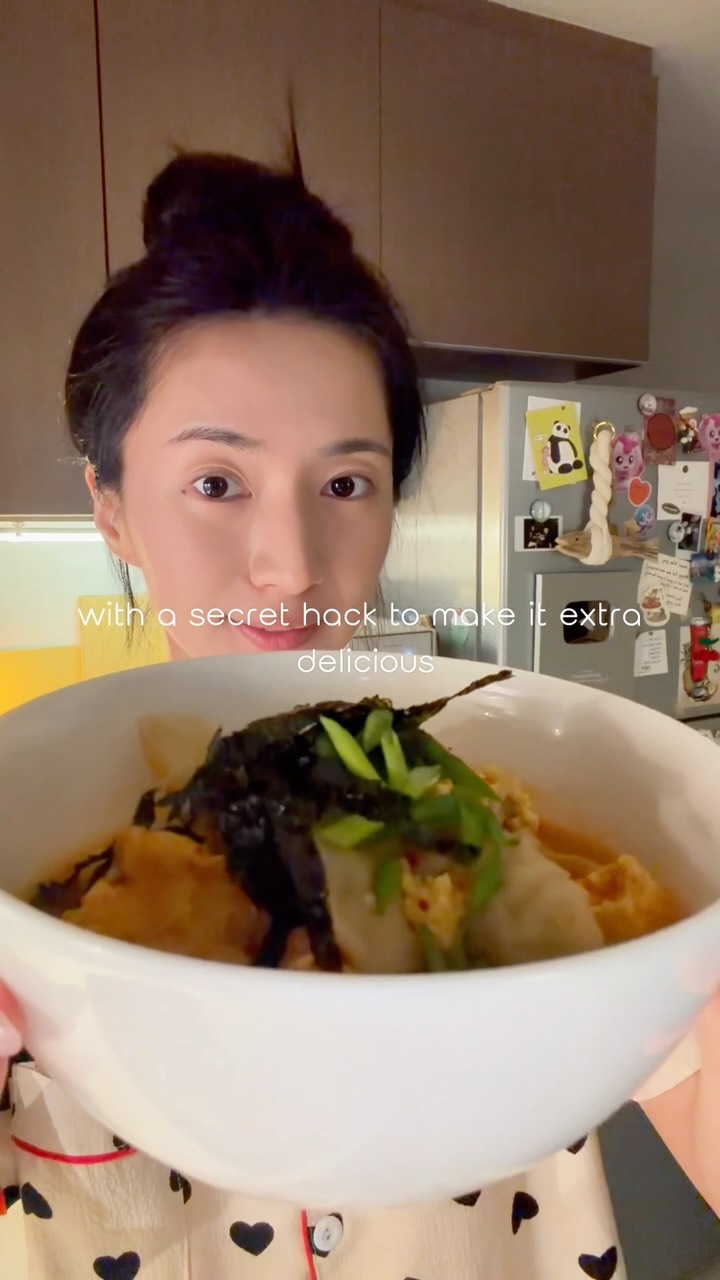
Korean mandu-guk traditionally opens the Lunar New Year—dumplings symbolize wealth, and eating them is said to grant you a year older.
Spicy Dumpling Soup (Mandu-guk)
Dive into a steaming bowl of Spicy Dumpling Soup (Mandu-guk) that's ready in just 15 minutes! This vibrant dish features plump, savory dumplings swimming in a zesty broth enriched with fragrant garlic and a kick of gochugaru. Perfect for a cozy night in or a quick lunch, this soup will warm your soul and tantalize your taste buds!
Prep
15
min
Cook
15
min
Serves
2
people
Level
beginner
The Story
This bowl is Korea's answer to a hungover Tuesday, born from 1950s post-war kitchens where frozen mandu met Chinese-style egg drop technique and Sichuan-inspired gochugaru heat—Beijing's dumpling tradition colliding with Korean chilli fire and Japanese gyoza freezers, creating a thirty-minute mongrel soup that owes allegiance to three nations and apologizes to none of them.
Regional Twist
In Busan, coastal cooks ditch plain water for anchovy-kelp broth and toss in extra napa cabbage, while doubling the gochugaru because apparently landlocked Seoul just doesn't understand proper spice levels, according to every Busan grandmother ever interviewed.
📝 Ingredients
Serves 2🥬Fresh Produce(4)
- 1/2 tsp garlic (2.5 ml)
- 1 tbsp green onion (15 ml)
- Leftover veggies (optional, I used napa cabbage)optional
- 400ml water (13.5 fl oz)
🥛Dairy & Eggs(1)
- 1 egg
🫙Pantry Staples(2)
- 1 tbsp cooking oil (15 ml)
- 1 tbsp chicken/veggie stock (15 ml)
🧂Spices & Seasonings(1)
- Salt to taste
📦Other(2)
- 1 tbsp gochugaru (Korean chilli flakes, skip for mild version) (15 ml)optionalskip for mild version
- ~7 frozen mandu / dumpling / gyoza
Nutrition (per serving)
Calories
278
Protein
9g
Carbs
22g
Fat
17g
👨🍳 Instructions
- 1
In a pot, heat the cooking oil and add the garlic and green onion.
- 2
Add the water, stock, and gochugaru, and bring to a boil.
- 3
Add the frozen dumplings and leftover veggies, mashing a couple of dumplings into the broth to release flavors.
- 4
Once the dumplings are cooked, add the beaten egg and stir gently.
- 5
Season with salt to taste and serve hot.
💡 Pro Tips
- ✓Mash 2-3 dumplings (approximately 25-30% of your batch) directly into the simmering broth rather than leaving all intact, as the starch and filling proteins will hydrate and thicken the soup to 1.5-2x its original viscosity while creating a silkier mouthfeel.technique25-30% of dumplings mashed
- ✓Add your beaten egg at exactly 190-200°F (88-93°C) broth temperature while stirring in a slow circular motion—this prevents the egg from setting into large curds and instead creates silken ribbons by coagulating at 140-149°F (60-65°C).timing190-200°F broth | 140-149°F coagulation
- ✓Bloom your gochugaru in the hot oil for 45-60 seconds before adding water—this allows capsaicin and flavor compounds to dissolve into the fat, distributing spice evenly throughout the soup rather than concentrating it in bitter particles.technique45-60 seconds bloom
- ✓Use a 400ml to 1 tbsp stock ratio (approximately 27:1 dilution) rather than equal parts, since frozen dumplings release 8-12% of their filling's umami compounds as they cook, naturally building broth richness without over-salting.ingredient27:1 water-to-stock ratio
- ✓Maintain a gentle simmer (small bubbles breaking surface, not rolling boil) for the 5-7 minutes after adding frozen dumplings, since rapid boiling causes filling to separate from wrapper and creates a starchy, cloudy broth with 30% more opacity.timing5-7 minutes gentle simmer
Share this recipe
Prep
15
min
Cook
15
min
Serves
2
people
Level
beginner
Share this recipe
Korean mandu-guk traditionally opens the Lunar New Year—dumplings symbolize wealth, and eating them is said to grant you a year older.
Spicy Dumpling Soup (Mandu-guk)
Dive into a steaming bowl of Spicy Dumpling Soup (Mandu-guk) that's ready in just 15 minutes! This vibrant dish features plump, savory dumplings swimming in a zesty broth enriched with fragrant garlic and a kick of gochugaru. Perfect for a cozy night in or a quick lunch, this soup will warm your soul and tantalize your taste buds!
The Story
This bowl is Korea's answer to a hungover Tuesday, born from 1950s post-war kitchens where frozen mandu met Chinese-style egg drop technique and Sichuan-inspired gochugaru heat—Beijing's dumpling tradition colliding with Korean chilli fire and Japanese gyoza freezers, creating a thirty-minute mongrel soup that owes allegiance to three nations and apologizes to none of them.
Regional Twist
In Busan, coastal cooks ditch plain water for anchovy-kelp broth and toss in extra napa cabbage, while doubling the gochugaru because apparently landlocked Seoul just doesn't understand proper spice levels, according to every Busan grandmother ever interviewed.
📝 Ingredients
Serves 2🥬Fresh Produce(4)
- 1/2 tsp garlic (2.5 ml)
- 1 tbsp green onion (15 ml)
- Leftover veggies (optional, I used napa cabbage)optional
- 400ml water (13.5 fl oz)
🥛Dairy & Eggs(1)
- 1 egg
🫙Pantry Staples(2)
- 1 tbsp cooking oil (15 ml)
- 1 tbsp chicken/veggie stock (15 ml)
🧂Spices & Seasonings(1)
- Salt to taste
📦Other(2)
- 1 tbsp gochugaru (Korean chilli flakes, skip for mild version) (15 ml)optionalskip for mild version
- ~7 frozen mandu / dumpling / gyoza
Nutrition (per serving)
Calories
278
Protein
9g
Carbs
22g
Fat
17g
👨🍳 Instructions
- 1
In a pot, heat the cooking oil and add the garlic and green onion.
- 2
Add the water, stock, and gochugaru, and bring to a boil.
- 3
Add the frozen dumplings and leftover veggies, mashing a couple of dumplings into the broth to release flavors.
- 4
Once the dumplings are cooked, add the beaten egg and stir gently.
- 5
Season with salt to taste and serve hot.
💡 Pro Tips
- ✓Mash 2-3 dumplings (approximately 25-30% of your batch) directly into the simmering broth rather than leaving all intact, as the starch and filling proteins will hydrate and thicken the soup to 1.5-2x its original viscosity while creating a silkier mouthfeel.technique25-30% of dumplings mashed
- ✓Add your beaten egg at exactly 190-200°F (88-93°C) broth temperature while stirring in a slow circular motion—this prevents the egg from setting into large curds and instead creates silken ribbons by coagulating at 140-149°F (60-65°C).timing190-200°F broth | 140-149°F coagulation
- ✓Bloom your gochugaru in the hot oil for 45-60 seconds before adding water—this allows capsaicin and flavor compounds to dissolve into the fat, distributing spice evenly throughout the soup rather than concentrating it in bitter particles.technique45-60 seconds bloom
- ✓Use a 400ml to 1 tbsp stock ratio (approximately 27:1 dilution) rather than equal parts, since frozen dumplings release 8-12% of their filling's umami compounds as they cook, naturally building broth richness without over-salting.ingredient27:1 water-to-stock ratio
- ✓Maintain a gentle simmer (small bubbles breaking surface, not rolling boil) for the 5-7 minutes after adding frozen dumplings, since rapid boiling causes filling to separate from wrapper and creates a starchy, cloudy broth with 30% more opacity.timing5-7 minutes gentle simmer