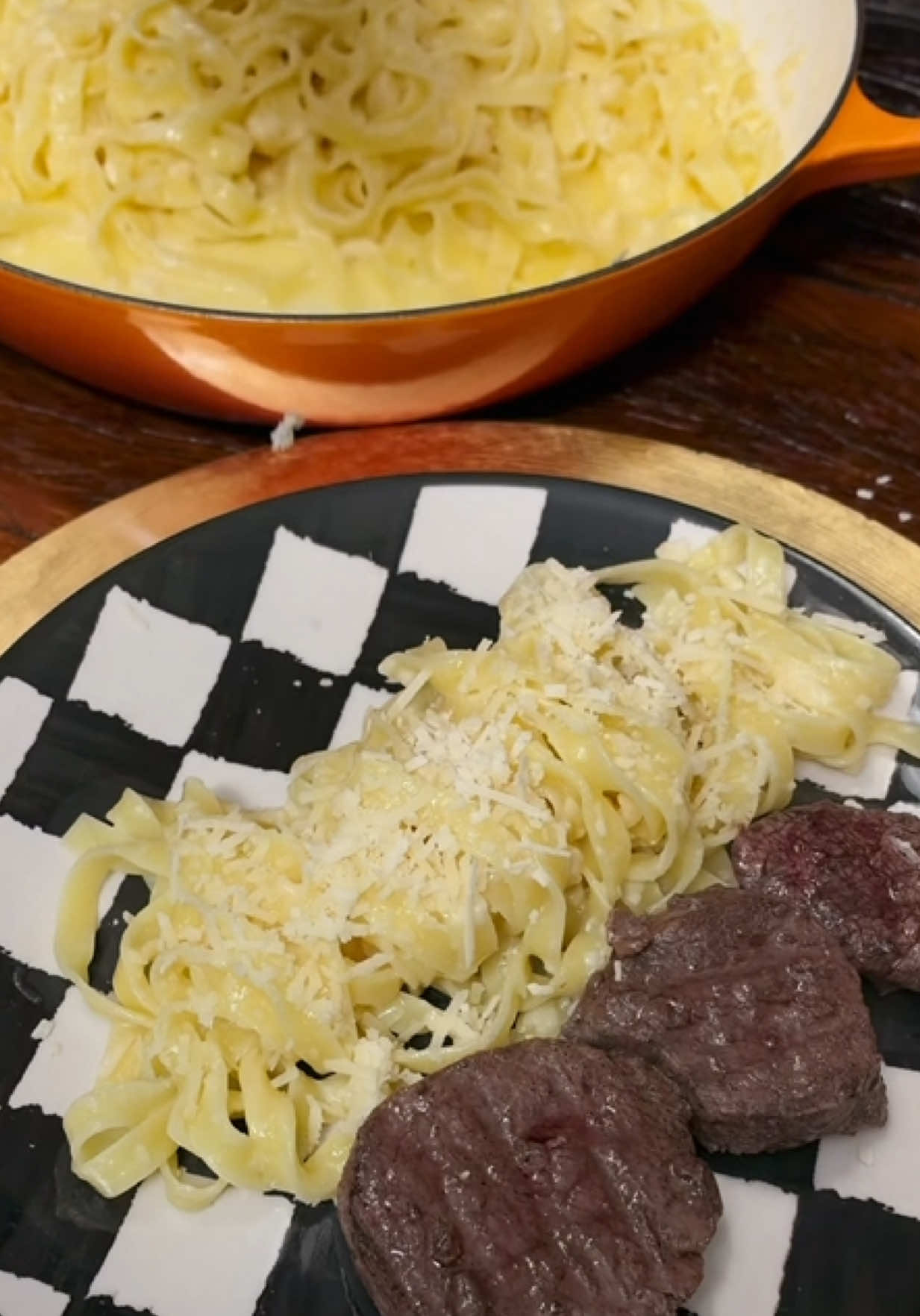
Rome, 1908: Alfredo di Lelio tripled butter for his pregnant wife's appetite—tourists later demanded cream he never used.
Fettuccine Alfredo
Dive into the creamy indulgence of Fettuccine Alfredo, a timeless Italian favorite that’s as easy to whip up as it is satisfying! With just velvety butter, nutty Parmigiano Reggiano, and perfectly cooked fettuccine, this dish transforms simple ingredients into a heavenly experience. Get ready to twirl your fork and savor every bite!
Prep
15
min
Cook
10
min
Serves
4
people
Level
beginner
The Story
Right, settle down, because this is not some ancient Roman relic—it was invented in 1908 Rome by restaurateur Alfredo di Lelio for his pregnant wife who'd gone off food entirely, and the Americans, bless their cotton socks, later bastardized it with cream, turning a simple three-ingredient Italian marriage proposal into a gloopy diner disaster that Alfredo himself would have driven a tank through.
Regional Twist
In Rome's Trastevere district, purists insist on grating only Parmigiano Reggiano aged 24 months minimum, claiming anything younger makes the butter sauce taste thin and cowardly, refusing even a whisper of nutmeg that tourists elsewhere foolishly demand.
📝 Ingredients
Serves 4🥛Dairy & Eggs(2)
- Manteiga (114 g)
- Queijo Parmigiano Reggiano ralado (120 ml)
🫙Pantry Staples(1)
- Fettuccine (454 g)
Nutrition (per serving)
Calories
647
Protein
22g
Carbs
74g
Fat
29g
👨🍳 Instructions
- 1
Cook the fettuccine.
- 2
Lightly heat a skillet and turn off the heat. Add the butter and then add the hot pasta.
- 3
Mix so that the heat from the fettuccine starts to melt the butter.
- 4
Gradually add the grated Parmigiano Reggiano cheese and stir until the butter and cheese coat the pasta and form a creamy sauce.
💡 Pro Tips
- ✓Reserve 240ml of starchy pasta water before draining, then add it in 30ml increments while stirring to emulsify the butter and cheese into a stable sauce rather than breaking into greasy puddles.technique240ml reserved water, 30ml increments
- ✓Add cheese when pasta temperature is 65-70°C (not boiling hot) because temperatures above 75°C cause casein proteins in Parmigiano to denature and separate, resulting in oily, grainy sauce instead of creamy.timing65-70°C optimal, avoid >75°C
- ✓Use room-temperature butter cut into 15mm cubes because cold butter takes 2-3 minutes to incorporate and may break the emulsion, while butter above 32°C melts too quickly before the cheese can stabilize it.ingredient15mm cubes, room temperature (21°C)
- ✓Grate Parmigiano Reggiano just before cooking (not pre-grated) because microcrystalline structure breaks down within 20 minutes after grating, reducing the cheese's ability to hold 18-22% fat without separating.ingredientUse within 20 minutes of grating
- ✓Work off heat entirely and stir constantly for 60-90 seconds minimum—the residual pasta heat (70-60°C) creates a slow emulsification that builds a more stable sauce than direct heat, which causes separation.timing60-90 seconds off heat
Share this recipe
Prep
15
min
Cook
10
min
Serves
4
people
Level
beginner
Share this recipe
Rome, 1908: Alfredo di Lelio tripled butter for his pregnant wife's appetite—tourists later demanded cream he never used.
Fettuccine Alfredo
Dive into the creamy indulgence of Fettuccine Alfredo, a timeless Italian favorite that’s as easy to whip up as it is satisfying! With just velvety butter, nutty Parmigiano Reggiano, and perfectly cooked fettuccine, this dish transforms simple ingredients into a heavenly experience. Get ready to twirl your fork and savor every bite!
The Story
Right, settle down, because this is not some ancient Roman relic—it was invented in 1908 Rome by restaurateur Alfredo di Lelio for his pregnant wife who'd gone off food entirely, and the Americans, bless their cotton socks, later bastardized it with cream, turning a simple three-ingredient Italian marriage proposal into a gloopy diner disaster that Alfredo himself would have driven a tank through.
Regional Twist
In Rome's Trastevere district, purists insist on grating only Parmigiano Reggiano aged 24 months minimum, claiming anything younger makes the butter sauce taste thin and cowardly, refusing even a whisper of nutmeg that tourists elsewhere foolishly demand.
📝 Ingredients
Serves 4🥛Dairy & Eggs(2)
- Manteiga (114 g)
- Queijo Parmigiano Reggiano ralado (120 ml)
🫙Pantry Staples(1)
- Fettuccine (454 g)
Nutrition (per serving)
Calories
647
Protein
22g
Carbs
74g
Fat
29g
👨🍳 Instructions
- 1
Cook the fettuccine.
- 2
Lightly heat a skillet and turn off the heat. Add the butter and then add the hot pasta.
- 3
Mix so that the heat from the fettuccine starts to melt the butter.
- 4
Gradually add the grated Parmigiano Reggiano cheese and stir until the butter and cheese coat the pasta and form a creamy sauce.
💡 Pro Tips
- ✓Reserve 240ml of starchy pasta water before draining, then add it in 30ml increments while stirring to emulsify the butter and cheese into a stable sauce rather than breaking into greasy puddles.technique240ml reserved water, 30ml increments
- ✓Add cheese when pasta temperature is 65-70°C (not boiling hot) because temperatures above 75°C cause casein proteins in Parmigiano to denature and separate, resulting in oily, grainy sauce instead of creamy.timing65-70°C optimal, avoid >75°C
- ✓Use room-temperature butter cut into 15mm cubes because cold butter takes 2-3 minutes to incorporate and may break the emulsion, while butter above 32°C melts too quickly before the cheese can stabilize it.ingredient15mm cubes, room temperature (21°C)
- ✓Grate Parmigiano Reggiano just before cooking (not pre-grated) because microcrystalline structure breaks down within 20 minutes after grating, reducing the cheese's ability to hold 18-22% fat without separating.ingredientUse within 20 minutes of grating
- ✓Work off heat entirely and stir constantly for 60-90 seconds minimum—the residual pasta heat (70-60°C) creates a slow emulsification that builds a more stable sauce than direct heat, which causes separation.timing60-90 seconds off heat