Naples sealed Margherita's fate in 1889 when flour, water, and wild yeast fermented 24 hours before touching a 900°F wood-fired oven.
Homemade Pizza
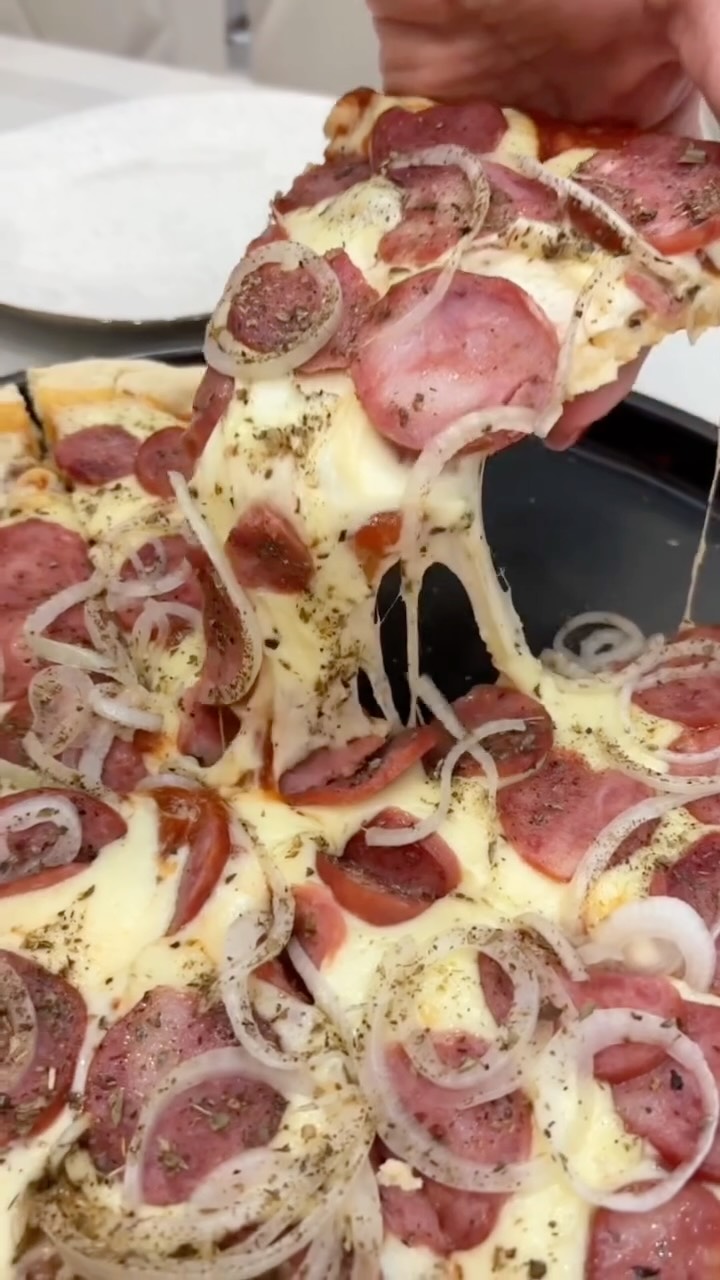
Get ready to elevate your pizza night with this easy and scrumptious recipe featuring mouthwatering calabresa sausage and creamy cheddar chicken! With a perfectly crispy crust and a blend of rich flavors, you’ll be savoring every bite. Roll out that dough, sprinkle on your favorite toppings, and let the deliciousness unfold!
Prep
15
min
Cook
15
min
Serves
4
people
Level
beginner
The Story
Naples gave the world pizza in the 1880s, but this bare-bones dough recipe—just water, sugar, yeast, and flour—actually echoes the frugal peasant breads of 19th-century Campania, where farmers stretched wheat flour into flatbreads long before Raffaele Esposito slapped tomato and mozzarella on one for Queen Margherita, proving good pizza never needed a royal seal of approval.
Regional Twist
In Naples' Da Michele territory, purists would swap your all-purpose flour for finely milled Tipo 00 flour and insist the dough rest a full 24 hours, arguing that rushing fermentation is practically a criminal offense against proper Neapolitan tradition.
📝 Ingredients
Serves 4🥬Fresh Produce(1)
- 300 ml de água morna (10.1 fl oz)
🫙Pantry Staples(4)
- Aproximadamente 500 g de farinha de trigo sem fermento (ou até dar o ponto) (4 cup)
- 1 sachê de fermento biológico seco
- 2 colheres (sopa) de óleo (30 ml)
- 2 colheres (sopa) de açúcar (30 ml)
🧂Spices & Seasonings(1)
- 1 colher (chá) de sal (5 ml)
Nutrition (per serving)
Calories
545
Protein
14g
Carbs
102g
Fat
8g
👨🍳 Instructions
- 1
In a bowl, combine 300 ml of warm water, 2 tablespoons of oil, 2 tablespoons of sugar, 1 teaspoon of salt, and 1 sachet of dry yeast. Mix well.
- 2
Gradually add approximately 500 g of all-purpose flour until the dough reaches the right consistency.
- 3
Knead the dough until smooth, then place it in a bowl, cover with a cloth, and let it rest for 1 hour.
- 4
After resting, divide the dough into two parts and roll it out to fit your pizza pan.
- 5
Pre-bake the dough in a preheated oven at 200 °C for 5 minutes.
- 6
Add your desired toppings and bake again for about 10 minutes, or until the crust is lightly golden and the filling is heated through.
💡 Pro Tips
- ✓Use water between 40-45°C (104-113°F) for activating yeast, not hotter, because temperatures above 50°C kill yeast cells and prevent fermentation, while temperatures below 35°C slow activation by 60%.ingredient40-45°C optimal; >50°C kills yeast; <35°C slows by 60%
- ✓The sugar-to-yeast ratio (2 tablespoons sugar per sachet) provides food for fermentation, but reduces salt to 1 teaspoon because salt at >1.5% inhibits yeast activity by competing for water molecules.ingredient≤1% salt by weight (prevents yeast osmotic stress)
- ✓Knead for 8-10 minutes (not just until smooth) to develop 90% of gluten networks; this creates the chewy texture and structural integrity needed for pizza crust, as gluten strands expand and align under mechanical stress.technique8-10 minutes kneading; 90% gluten network development
- ✓Bulk fermentation at 24-26°C for 60 minutes produces a 2-2.5x volume increase; cooler temperatures (18°C) require 90+ minutes and develop better flavor through slower fermentation and acid production.timing60 minutes at 24-26°C; 2-2.5x rise; 90+ min at 18°C
- ✓Pre-bake at 200°C for 5 minutes sets the crust structure before toppings; this prevents the bottom from becoming soggy by evaporating surface moisture and gelatinizing surface starches before liquid toppings absorb into the dough.technique200°C for 5 minutes pre-bake; prevents >30% moisture absorption
Share this recipe
Prep
15
min
Cook
15
min
Serves
4
people
Level
beginner
Share this recipe
Naples sealed Margherita's fate in 1889 when flour, water, and wild yeast fermented 24 hours before touching a 900°F wood-fired oven.
Homemade Pizza
Get ready to elevate your pizza night with this easy and scrumptious recipe featuring mouthwatering calabresa sausage and creamy cheddar chicken! With a perfectly crispy crust and a blend of rich flavors, you’ll be savoring every bite. Roll out that dough, sprinkle on your favorite toppings, and let the deliciousness unfold!
The Story
Naples gave the world pizza in the 1880s, but this bare-bones dough recipe—just water, sugar, yeast, and flour—actually echoes the frugal peasant breads of 19th-century Campania, where farmers stretched wheat flour into flatbreads long before Raffaele Esposito slapped tomato and mozzarella on one for Queen Margherita, proving good pizza never needed a royal seal of approval.
Regional Twist
In Naples' Da Michele territory, purists would swap your all-purpose flour for finely milled Tipo 00 flour and insist the dough rest a full 24 hours, arguing that rushing fermentation is practically a criminal offense against proper Neapolitan tradition.
📝 Ingredients
Serves 4🥬Fresh Produce(1)
- 300 ml de água morna (10.1 fl oz)
🫙Pantry Staples(4)
- Aproximadamente 500 g de farinha de trigo sem fermento (ou até dar o ponto) (4 cup)
- 1 sachê de fermento biológico seco
- 2 colheres (sopa) de óleo (30 ml)
- 2 colheres (sopa) de açúcar (30 ml)
🧂Spices & Seasonings(1)
- 1 colher (chá) de sal (5 ml)
Nutrition (per serving)
Calories
545
Protein
14g
Carbs
102g
Fat
8g
👨🍳 Instructions
- 1
In a bowl, combine 300 ml of warm water, 2 tablespoons of oil, 2 tablespoons of sugar, 1 teaspoon of salt, and 1 sachet of dry yeast. Mix well.
- 2
Gradually add approximately 500 g of all-purpose flour until the dough reaches the right consistency.
- 3
Knead the dough until smooth, then place it in a bowl, cover with a cloth, and let it rest for 1 hour.
- 4
After resting, divide the dough into two parts and roll it out to fit your pizza pan.
- 5
Pre-bake the dough in a preheated oven at 200 °C for 5 minutes.
- 6
Add your desired toppings and bake again for about 10 minutes, or until the crust is lightly golden and the filling is heated through.
💡 Pro Tips
- ✓Use water between 40-45°C (104-113°F) for activating yeast, not hotter, because temperatures above 50°C kill yeast cells and prevent fermentation, while temperatures below 35°C slow activation by 60%.ingredient40-45°C optimal; >50°C kills yeast; <35°C slows by 60%
- ✓The sugar-to-yeast ratio (2 tablespoons sugar per sachet) provides food for fermentation, but reduces salt to 1 teaspoon because salt at >1.5% inhibits yeast activity by competing for water molecules.ingredient≤1% salt by weight (prevents yeast osmotic stress)
- ✓Knead for 8-10 minutes (not just until smooth) to develop 90% of gluten networks; this creates the chewy texture and structural integrity needed for pizza crust, as gluten strands expand and align under mechanical stress.technique8-10 minutes kneading; 90% gluten network development
- ✓Bulk fermentation at 24-26°C for 60 minutes produces a 2-2.5x volume increase; cooler temperatures (18°C) require 90+ minutes and develop better flavor through slower fermentation and acid production.timing60 minutes at 24-26°C; 2-2.5x rise; 90+ min at 18°C
- ✓Pre-bake at 200°C for 5 minutes sets the crust structure before toppings; this prevents the bottom from becoming soggy by evaporating surface moisture and gelatinizing surface starches before liquid toppings absorb into the dough.technique200°C for 5 minutes pre-bake; prevents >30% moisture absorption