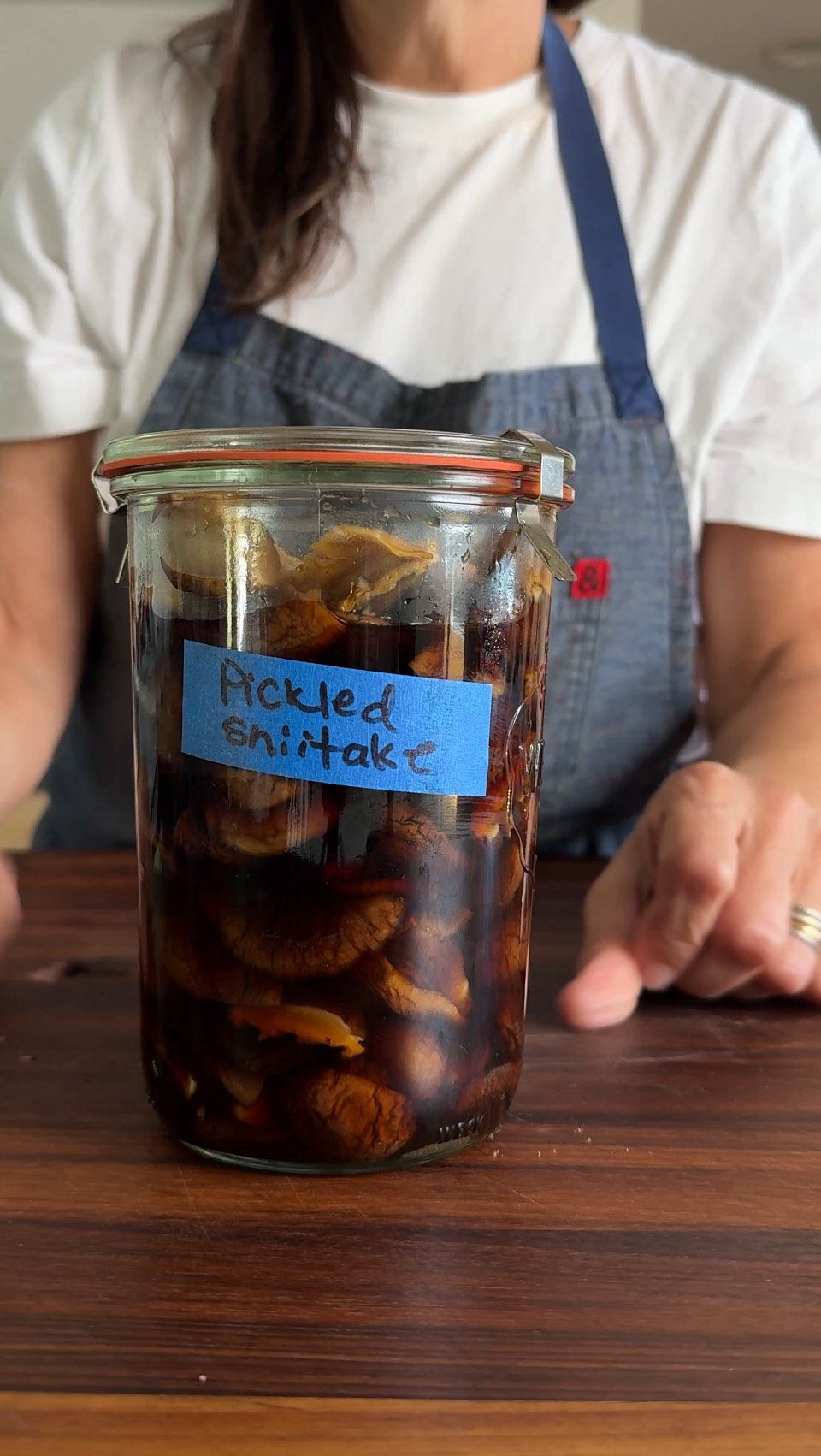
Tokyo ramen shops guard shoyu tare recipes for decades—this pantry version skips the dashi simmer but keeps that essential salty depth.
Shoyu Tare (Pantry Version)
Elevate your ramen game with this quick and easy shoyu tare made from everyday pantry essentials! With a rich blend of soy sauce and mirin, this umami-packed seasoning will add depth and flavor to your homemade noodles in no time. Get ready for a cozy night in, where every slurp is a delicious experience!
Prep
15
min
Cook
30
min
Serves
4
people
Level
beginner
The Story
This pantry shoyu tare traces back to Kyushu's ramen shops in the 1950s, where cooks desperate to balance pork-bone tonkotsu broth's brutal richness started doubling down on katsuobushi-infused soy concentrates—Japan's answer to French demi-glace, except built from bonito flakes and koikuchi instead of veal bones, proving the Japanese were doing umami-bomb reductions decades before anyone in Lyon thought to brag about it.
Regional Twist
In Hakata, Fukuoka's ramen heartland, cooks swap standard mirin for a sweeter Fukuoka-brewed version and add dried sardines alongside the katsuobushi, creating a funkier, more aggressive tare built specifically to cut through impossibly rich tonkotsu broth.
📝 Ingredients
Serves 4🥬Fresh Produce(1)
- 1 teaspoon minced garlic (5 ml)
🫙Pantry Staples(2)
- 1 teaspoon sesame oil (5 ml)
- 1 teaspoon white sugar (5 ml)
🧂Spices & Seasonings(2)
- 0.3 teaspoons ginger powder (1.5 ml)
- 0.5 teaspoons onion powder (2.5 ml)
🍯Sauces & Condiments(3)
- 2 tablespoons usukuchi light soy sauce (30 ml)
- 0.3 cups mirin (72 ml)
- 0.5 cups soy sauce preferably koikuchi (120 ml)
📦Other(2)
- 0.3 cups katsuobushi bonito flakes (72 ml)
- 0.3 cups dry cooking wine (72 ml)
Nutrition (per serving)
Calories
98
Protein
4g
Carbs
11g
Fat
1g
👨🍳 Instructions
- 1
Add 0.3 cups dry cooking wine to a small saucepan over medium heat. Bring to a simmer and cook for 2 minutes to cook off the raw alcohol.
- 2
Add 0.5 cups soy sauce (preferably koikuchi), 2 tablespoons usukuchi (light soy sauce), 0.3 cups mirin, 1 teaspoon white sugar, 1 teaspoon minced garlic, 0.3 teaspoons ginger powder, and 0.5 teaspoons onion powder. Stir to combine and bring to a gentle simmer over medium-low heat. Do not let it boil hard.
- 3
Reduce heat to the lowest setting and simmer gently for 15 minutes, stirring occasionally. It should reduce slightly and smell deeply savory.
- 4
Remove from heat and stir in 0.3 cups katsuobushi (bonito flakes). Let steep off-heat for 10 minutes.
- 5
Strain through a fine-mesh sieve, pressing on the solids to get every drop. Stir in 1 teaspoon sesame oil.
- 6
Taste -- intensely salty and savory is correct. It's a concentrate. Cool completely, then jar and refrigerate. Use 2-3 tablespoons per bowl of tonkotsu broth. Start low and adjust to taste.
💡 Pro Tips
- ✓Simmer the cooking wine for exactly 2 minutes before adding other ingredients because ethanol evaporates at 173°F, but you need 2 minutes at medium heat (around 180-190°F) to fully volatilize the alcohol and prevent harsh solvent notes in the finished tare.timing2 minutes, 173°F ethanol evaporation point
- ✓Maintain a gentle simmer (barely bubbling, 185-195°F) for the 15-minute reduction rather than a rolling boil because vigorous boiling causes umami-rich proteins in soy and mirin to denature and precipitate out, reducing savory depth by up to 30%.technique185-195°F gentle simmer, not rolling boil
- ✓Steep bonito flakes off-heat for exactly 10 minutes because katsuobushi releases water-soluble umami compounds (inosinate) most efficiently at 140-160°F; longer steeping or higher temps causes bitterness from over-extracted tannins and burnt aromatics.timing10 minutes, 140-160°F optimal extraction range
- ✓Press bonito solids through the sieve firmly but briefly (10-15 seconds) because extended pressing ruptures cell walls and releases bitter polyphenols and oxidized lipids; the majority of liquid drains within seconds due to gravity alone.technique10-15 seconds pressure, minimal cell rupture
- ✓Use a 1.7:1 ratio of koikuchi to usukuchi soy sauce (0.5 cups to 0.2 tablespoons, approximately) because koikuchi's higher sodium and protein content (around 16% protein vs. 8% in usukuchi) creates deeper umami, while usukuchi's lighter color prevents over-darkening that can mask subtler garlic and ginger notes.ingredient1.7:1 koikuchi:usukuchi ratio, 16% vs 8% protein content
Share this recipe
Prep
15
min
Cook
30
min
Serves
4
people
Level
beginner
Share this recipe
Tokyo ramen shops guard shoyu tare recipes for decades—this pantry version skips the dashi simmer but keeps that essential salty depth.
Shoyu Tare (Pantry Version)
Elevate your ramen game with this quick and easy shoyu tare made from everyday pantry essentials! With a rich blend of soy sauce and mirin, this umami-packed seasoning will add depth and flavor to your homemade noodles in no time. Get ready for a cozy night in, where every slurp is a delicious experience!
The Story
This pantry shoyu tare traces back to Kyushu's ramen shops in the 1950s, where cooks desperate to balance pork-bone tonkotsu broth's brutal richness started doubling down on katsuobushi-infused soy concentrates—Japan's answer to French demi-glace, except built from bonito flakes and koikuchi instead of veal bones, proving the Japanese were doing umami-bomb reductions decades before anyone in Lyon thought to brag about it.
Regional Twist
In Hakata, Fukuoka's ramen heartland, cooks swap standard mirin for a sweeter Fukuoka-brewed version and add dried sardines alongside the katsuobushi, creating a funkier, more aggressive tare built specifically to cut through impossibly rich tonkotsu broth.
📝 Ingredients
Serves 4🥬Fresh Produce(1)
- 1 teaspoon minced garlic (5 ml)
🫙Pantry Staples(2)
- 1 teaspoon sesame oil (5 ml)
- 1 teaspoon white sugar (5 ml)
🧂Spices & Seasonings(2)
- 0.3 teaspoons ginger powder (1.5 ml)
- 0.5 teaspoons onion powder (2.5 ml)
🍯Sauces & Condiments(3)
- 2 tablespoons usukuchi light soy sauce (30 ml)
- 0.3 cups mirin (72 ml)
- 0.5 cups soy sauce preferably koikuchi (120 ml)
📦Other(2)
- 0.3 cups katsuobushi bonito flakes (72 ml)
- 0.3 cups dry cooking wine (72 ml)
Nutrition (per serving)
Calories
98
Protein
4g
Carbs
11g
Fat
1g
👨🍳 Instructions
- 1
Add 0.3 cups dry cooking wine to a small saucepan over medium heat. Bring to a simmer and cook for 2 minutes to cook off the raw alcohol.
- 2
Add 0.5 cups soy sauce (preferably koikuchi), 2 tablespoons usukuchi (light soy sauce), 0.3 cups mirin, 1 teaspoon white sugar, 1 teaspoon minced garlic, 0.3 teaspoons ginger powder, and 0.5 teaspoons onion powder. Stir to combine and bring to a gentle simmer over medium-low heat. Do not let it boil hard.
- 3
Reduce heat to the lowest setting and simmer gently for 15 minutes, stirring occasionally. It should reduce slightly and smell deeply savory.
- 4
Remove from heat and stir in 0.3 cups katsuobushi (bonito flakes). Let steep off-heat for 10 minutes.
- 5
Strain through a fine-mesh sieve, pressing on the solids to get every drop. Stir in 1 teaspoon sesame oil.
- 6
Taste -- intensely salty and savory is correct. It's a concentrate. Cool completely, then jar and refrigerate. Use 2-3 tablespoons per bowl of tonkotsu broth. Start low and adjust to taste.
💡 Pro Tips
- ✓Simmer the cooking wine for exactly 2 minutes before adding other ingredients because ethanol evaporates at 173°F, but you need 2 minutes at medium heat (around 180-190°F) to fully volatilize the alcohol and prevent harsh solvent notes in the finished tare.timing2 minutes, 173°F ethanol evaporation point
- ✓Maintain a gentle simmer (barely bubbling, 185-195°F) for the 15-minute reduction rather than a rolling boil because vigorous boiling causes umami-rich proteins in soy and mirin to denature and precipitate out, reducing savory depth by up to 30%.technique185-195°F gentle simmer, not rolling boil
- ✓Steep bonito flakes off-heat for exactly 10 minutes because katsuobushi releases water-soluble umami compounds (inosinate) most efficiently at 140-160°F; longer steeping or higher temps causes bitterness from over-extracted tannins and burnt aromatics.timing10 minutes, 140-160°F optimal extraction range
- ✓Press bonito solids through the sieve firmly but briefly (10-15 seconds) because extended pressing ruptures cell walls and releases bitter polyphenols and oxidized lipids; the majority of liquid drains within seconds due to gravity alone.technique10-15 seconds pressure, minimal cell rupture
- ✓Use a 1.7:1 ratio of koikuchi to usukuchi soy sauce (0.5 cups to 0.2 tablespoons, approximately) because koikuchi's higher sodium and protein content (around 16% protein vs. 8% in usukuchi) creates deeper umami, while usukuchi's lighter color prevents over-darkening that can mask subtler garlic and ginger notes.ingredient1.7:1 koikuchi:usukuchi ratio, 16% vs 8% protein content