Adding lemon juice to simmering soy milk at 180°F curdles plant proteins the same way rennet does to dairy casein.
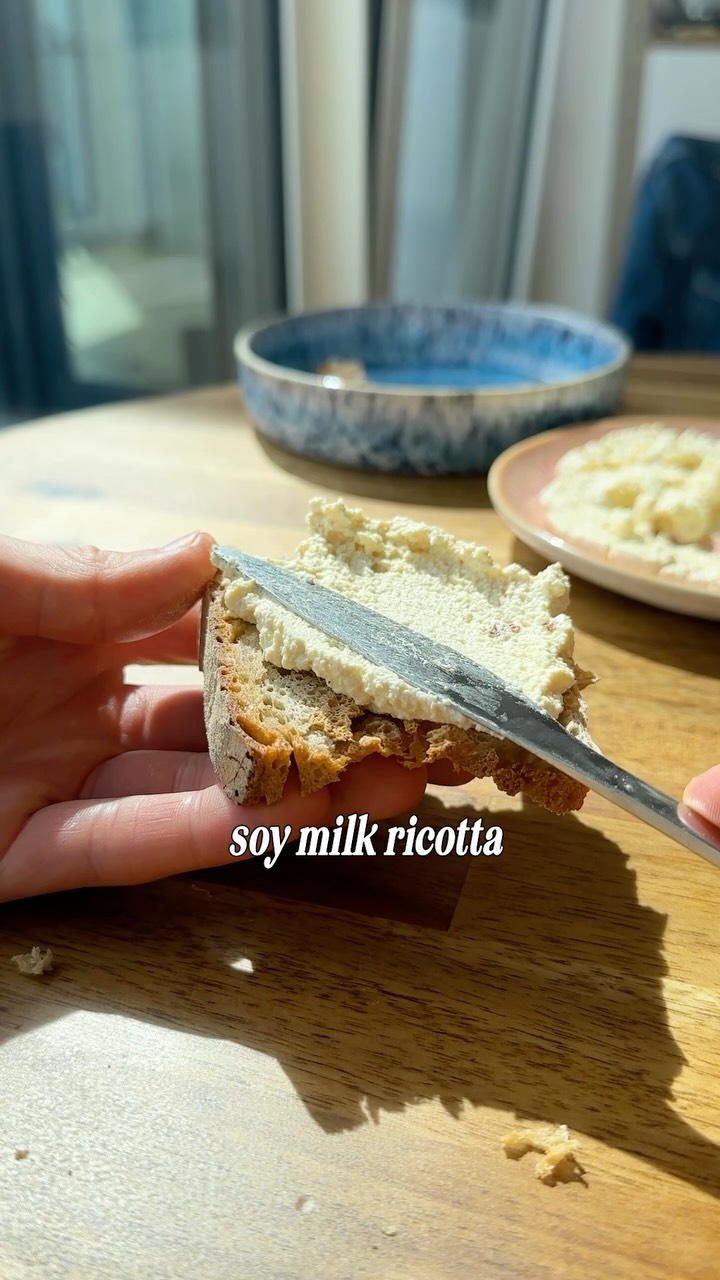
Soy Milk Ricotta
Dive into the delightful world of homemade Soy Milk Ricotta, a creamy and luscious alternative to traditional cheese! By gently curdling soy milk with a splash of vinegar, you’ll create a velvety texture that's perfect for spreading on toast or dolloping into your favorite pasta dishes. Get ready to impress your taste buds with this simple, plant-based treat!
Prep
15
min
Cook
15
min
Serves
4
people
Level
beginner
The Story
This soy-dairy swindle traces back to 1980s Japan, where Buddhist monks banned from eating dairy needed their cheese fix anyway, so they nicked Italy's ricotta technique and applied it to tofu-making methods passed down since the Tang Dynasty—proving that monks, much like me, will find a loophole in any rule if cheese is on the line.
Regional Twist
In Japan's Kyoto region, they'd swap the white wine vinegar for nigari or yuzu juice instead, giving the soy milk curds a citrus-tinged, distinctly Japanese tofu character that laughs in the face of anything claiming to be proper Italian ricotta.
📝 Ingredients
Serves 4🥬Fresh Produce(1)
- lemon juiceoptional
🥛Dairy & Eggs(1)
- 1L soy milk (4.23 cup)
🧂Spices & Seasonings(1)
- saltoptional
🍯Sauces & Condiments(1)
- 5 Tbsp white wine vinegar (75 ml)
Nutrition (per serving)
Calories
113
Protein
8g
Carbs
8g
Fat
5g
👨🍳 Instructions
- 1
Bring the soy milk to a boil, then turn off the heat.
- 2
Stir in the white wine vinegar and let it sit for 15 minutes.
- 3
Transfer the curdles to a sieve lined with a towel.
- 4
Gently squeeze and place in the fridge to cool down.
- 5
Season with lemon juice and salt if desired. Use just like ricotta.
💡 Pro Tips
- ✓Heat soy milk to exactly 185-195°F (85-90°C) before adding vinegar, not a rolling boil at 212°F, because excess heat denatures soy proteins unevenly and produces grainy, separated curds instead of a smooth ricotta texture.timing185-195°F (85-90°C)
- ✓Use 5 Tbsp white wine vinegar per 1L soy milk (0.25:1 ratio by volume) to achieve pH 4.6-4.8, which is the isoelectric point where soy proteins coagulate maximally; too little vinegar leaves watery whey, too much creates tough curds.ingredient5 Tbsp per 1L (0.25:1 ratio)
- ✓Let curds rest for exactly 15 minutes after vinegar addition before straining, allowing acid-induced protein cross-linking to stabilize; shorter times yield fragile curds that break apart during towel-pressing, longer times produce denser, less creamy results.timing15 minutes
- ✓Drain in cheesecloth for 20-30 minutes without pressing, then gently fold curds every 5 minutes instead of aggressive squeezing, because soy protein curds are more delicate than dairy casein and rupture easily, releasing moisture that should stay trapped for creamy texture.technique20-30 minutes with 5-minute folds
- ✓Add lemon juice at 1 tsp per 250g ricotta (not vinegar again) because citric acid's lower pH (2.2) will over-precipitate remaining proteins and make the finished ricotta bitter and grainy; white wine vinegar's acetic acid (pH 2.4) is weaker and already equilibrated.ingredient1 tsp lemon juice per 250g ricotta
Share this recipe
Prep
15
min
Cook
15
min
Serves
4
people
Level
beginner
Share this recipe
Adding lemon juice to simmering soy milk at 180°F curdles plant proteins the same way rennet does to dairy casein.
Soy Milk Ricotta
Dive into the delightful world of homemade Soy Milk Ricotta, a creamy and luscious alternative to traditional cheese! By gently curdling soy milk with a splash of vinegar, you’ll create a velvety texture that's perfect for spreading on toast or dolloping into your favorite pasta dishes. Get ready to impress your taste buds with this simple, plant-based treat!
The Story
This soy-dairy swindle traces back to 1980s Japan, where Buddhist monks banned from eating dairy needed their cheese fix anyway, so they nicked Italy's ricotta technique and applied it to tofu-making methods passed down since the Tang Dynasty—proving that monks, much like me, will find a loophole in any rule if cheese is on the line.
Regional Twist
In Japan's Kyoto region, they'd swap the white wine vinegar for nigari or yuzu juice instead, giving the soy milk curds a citrus-tinged, distinctly Japanese tofu character that laughs in the face of anything claiming to be proper Italian ricotta.
📝 Ingredients
Serves 4🥬Fresh Produce(1)
- lemon juiceoptional
🥛Dairy & Eggs(1)
- 1L soy milk (4.23 cup)
🧂Spices & Seasonings(1)
- saltoptional
🍯Sauces & Condiments(1)
- 5 Tbsp white wine vinegar (75 ml)
Nutrition (per serving)
Calories
113
Protein
8g
Carbs
8g
Fat
5g
👨🍳 Instructions
- 1
Bring the soy milk to a boil, then turn off the heat.
- 2
Stir in the white wine vinegar and let it sit for 15 minutes.
- 3
Transfer the curdles to a sieve lined with a towel.
- 4
Gently squeeze and place in the fridge to cool down.
- 5
Season with lemon juice and salt if desired. Use just like ricotta.
💡 Pro Tips
- ✓Heat soy milk to exactly 185-195°F (85-90°C) before adding vinegar, not a rolling boil at 212°F, because excess heat denatures soy proteins unevenly and produces grainy, separated curds instead of a smooth ricotta texture.timing185-195°F (85-90°C)
- ✓Use 5 Tbsp white wine vinegar per 1L soy milk (0.25:1 ratio by volume) to achieve pH 4.6-4.8, which is the isoelectric point where soy proteins coagulate maximally; too little vinegar leaves watery whey, too much creates tough curds.ingredient5 Tbsp per 1L (0.25:1 ratio)
- ✓Let curds rest for exactly 15 minutes after vinegar addition before straining, allowing acid-induced protein cross-linking to stabilize; shorter times yield fragile curds that break apart during towel-pressing, longer times produce denser, less creamy results.timing15 minutes
- ✓Drain in cheesecloth for 20-30 minutes without pressing, then gently fold curds every 5 minutes instead of aggressive squeezing, because soy protein curds are more delicate than dairy casein and rupture easily, releasing moisture that should stay trapped for creamy texture.technique20-30 minutes with 5-minute folds
- ✓Add lemon juice at 1 tsp per 250g ricotta (not vinegar again) because citric acid's lower pH (2.2) will over-precipitate remaining proteins and make the finished ricotta bitter and grainy; white wine vinegar's acetic acid (pH 2.4) is weaker and already equilibrated.ingredient1 tsp lemon juice per 250g ricotta