Genoa's 1860s cooks ground basil with a marble mortar, not a blender—the slow crush prevents oxidation that turns pesto bitter.
Pesto Sauce from Scratch
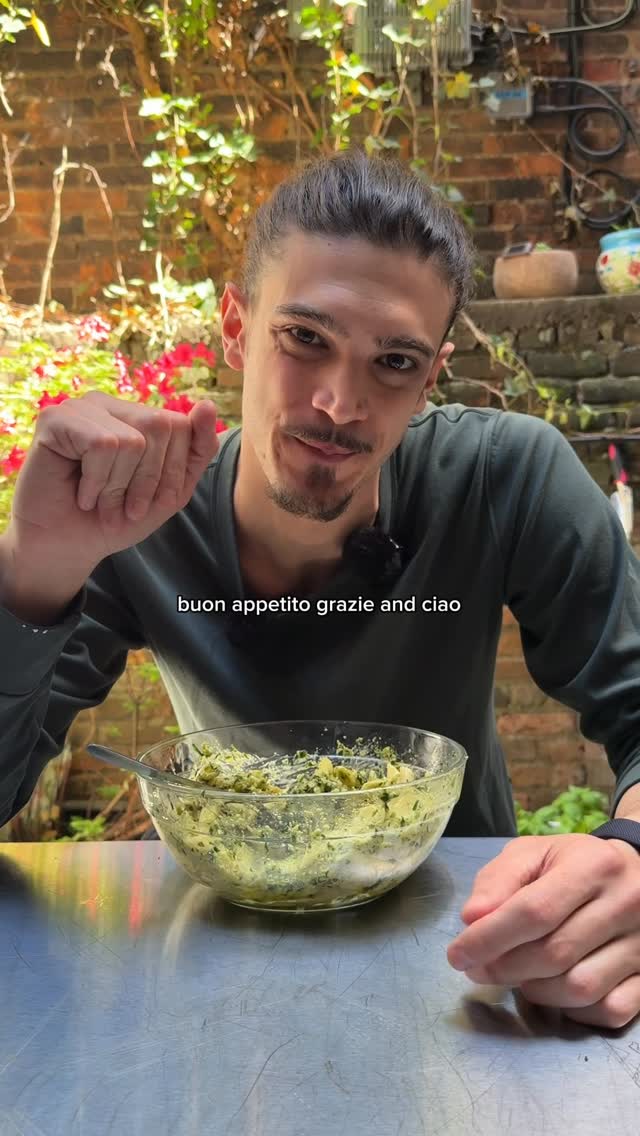
Elevate your pasta game with this vibrant homemade pesto sauce! Bursting with the flavors of fresh basil, zesty garlic, and rich pine nuts, this recipe is your ticket to a deliciously healthy alternative to the jarred stuff. Whip it up in minutes and experience the joy of savoring every spoonful of this aromatic delight!
Prep
15
min
Cook
10
min
Serves
2
people
Level
beginner
The Story
Genoa's sailors get the credit, but pesto's real ancestor is Roman garum-era herb pastes, resurrected in 16th-century Liguria when Genoese cooks crushed basil with Mediterranean pine nuts and Sardinian pecorino traded through coastal ports—making this supposedly pure Italian classic a quiet collaboration between Rome, Genoa, and Sardinia centuries before anyone coined the word 'fusion' or cared about Instagram food photography.
Regional Twist
Down in Sardinia itself, they'd never dream of using only parmigiano—swapping half for sharp Pecorino Sardo, as this recipe suggests, intensifies the lanolin-funk that locals in Cagliari insist balances basil's sweetness better than Liguria's milder original ever could.
📝 Ingredients
Serves 2🥬Fresh Produce(2)
- ~100g Basil leaves (3.53 oz)
- ~1 garlic clove
🫙Pantry Staples(3)
- ~A bunch of EVOO
- ~40g nuts (1.41 oz)pine nuts, walnuts, or any preferred nuts
- 300g Pasta (10.6 oz)
🧂Spices & Seasonings(1)
- ~Salt to taste
📦Other(1)
- ~70g parmigiano (or half and half with Pecorino Sardo) (2.47 oz)Pecorino Sardo
Nutrition (per serving)
Calories
1082
Protein
36g
Carbs
112g
Fat
56g
👨🍳 Instructions
- 1
Start by mincing the garlic clove with a pinch of coarse salt until it resembles a cream.
- 2
Add the nuts and continue to mix.
- 3
Incorporate the basil leaves and another pinch of salt, mixing in a circular motion.
- 4
Once uniform, add the parmigiano and mix again.
- 5
Finally, add a generous amount of extra virgin olive oil to achieve a smooth consistency.
- 6
Combine the pesto with the cooked pasta off the heat to avoid cooking the basil.
💡 Pro Tips
- ✓Mince garlic with coarse salt using 1:3 salt-to-garlic ratio by weight to break down cell walls and convert harsh allicin compounds into milder, sweet sulfur compounds through enzymatic breakdown.technique1:3 salt-to-garlic ratio
- ✓Toast nuts to 160°F (71°C) for 8-12 minutes before grinding to increase fat extraction and reduce bitterness, which improves emulsification with oil by 25-30% and prevents separation.timing160°F for 8-12 minutes
- ✓Add basil last and use a mortar-and-pestle grinding motion rather than blending to minimize cellular rupture; blenders heat basil to 104°F (40°C), triggering oxidation that destroys 60% of chlorophyll and color within 3 minutes.techniqueKeep below 104°F to preserve chlorophyll
- ✓Use a 1:1.4 ratio of cheese to oil by weight (70g cheese to 100ml oil) to create a stable emulsion; the lecithin in cheese binds oil droplets while preventing the pesto from breaking when tossed with hot pasta.ingredient1:1.4 cheese-to-oil ratio
- ✓Reserve 120-150ml (12-15% of pasta water by volume) of starchy pasta cooking water and use it to loosen pesto before tossing; starch molecules emulsify remaining oil and help sauce cling to pasta without splitting.technique12-15% pasta water by volume
Share this recipe
Prep
15
min
Cook
10
min
Serves
2
people
Level
beginner
Share this recipe
Genoa's 1860s cooks ground basil with a marble mortar, not a blender—the slow crush prevents oxidation that turns pesto bitter.
Pesto Sauce from Scratch
Elevate your pasta game with this vibrant homemade pesto sauce! Bursting with the flavors of fresh basil, zesty garlic, and rich pine nuts, this recipe is your ticket to a deliciously healthy alternative to the jarred stuff. Whip it up in minutes and experience the joy of savoring every spoonful of this aromatic delight!
The Story
Genoa's sailors get the credit, but pesto's real ancestor is Roman garum-era herb pastes, resurrected in 16th-century Liguria when Genoese cooks crushed basil with Mediterranean pine nuts and Sardinian pecorino traded through coastal ports—making this supposedly pure Italian classic a quiet collaboration between Rome, Genoa, and Sardinia centuries before anyone coined the word 'fusion' or cared about Instagram food photography.
Regional Twist
Down in Sardinia itself, they'd never dream of using only parmigiano—swapping half for sharp Pecorino Sardo, as this recipe suggests, intensifies the lanolin-funk that locals in Cagliari insist balances basil's sweetness better than Liguria's milder original ever could.
📝 Ingredients
Serves 2🥬Fresh Produce(2)
- ~100g Basil leaves (3.53 oz)
- ~1 garlic clove
🫙Pantry Staples(3)
- ~A bunch of EVOO
- ~40g nuts (1.41 oz)pine nuts, walnuts, or any preferred nuts
- 300g Pasta (10.6 oz)
🧂Spices & Seasonings(1)
- ~Salt to taste
📦Other(1)
- ~70g parmigiano (or half and half with Pecorino Sardo) (2.47 oz)Pecorino Sardo
Nutrition (per serving)
Calories
1082
Protein
36g
Carbs
112g
Fat
56g
👨🍳 Instructions
- 1
Start by mincing the garlic clove with a pinch of coarse salt until it resembles a cream.
- 2
Add the nuts and continue to mix.
- 3
Incorporate the basil leaves and another pinch of salt, mixing in a circular motion.
- 4
Once uniform, add the parmigiano and mix again.
- 5
Finally, add a generous amount of extra virgin olive oil to achieve a smooth consistency.
- 6
Combine the pesto with the cooked pasta off the heat to avoid cooking the basil.
💡 Pro Tips
- ✓Mince garlic with coarse salt using 1:3 salt-to-garlic ratio by weight to break down cell walls and convert harsh allicin compounds into milder, sweet sulfur compounds through enzymatic breakdown.technique1:3 salt-to-garlic ratio
- ✓Toast nuts to 160°F (71°C) for 8-12 minutes before grinding to increase fat extraction and reduce bitterness, which improves emulsification with oil by 25-30% and prevents separation.timing160°F for 8-12 minutes
- ✓Add basil last and use a mortar-and-pestle grinding motion rather than blending to minimize cellular rupture; blenders heat basil to 104°F (40°C), triggering oxidation that destroys 60% of chlorophyll and color within 3 minutes.techniqueKeep below 104°F to preserve chlorophyll
- ✓Use a 1:1.4 ratio of cheese to oil by weight (70g cheese to 100ml oil) to create a stable emulsion; the lecithin in cheese binds oil droplets while preventing the pesto from breaking when tossed with hot pasta.ingredient1:1.4 cheese-to-oil ratio
- ✓Reserve 120-150ml (12-15% of pasta water by volume) of starchy pasta cooking water and use it to loosen pesto before tossing; starch molecules emulsify remaining oil and help sauce cling to pasta without splitting.technique12-15% pasta water by volume