Philadelphia's hoagie rolls get their chewy crust from steam-injected ovens, a 1940s bakery trick still unmatched by home kitchens today.
Sandwich Rolls / Hoagie Roll
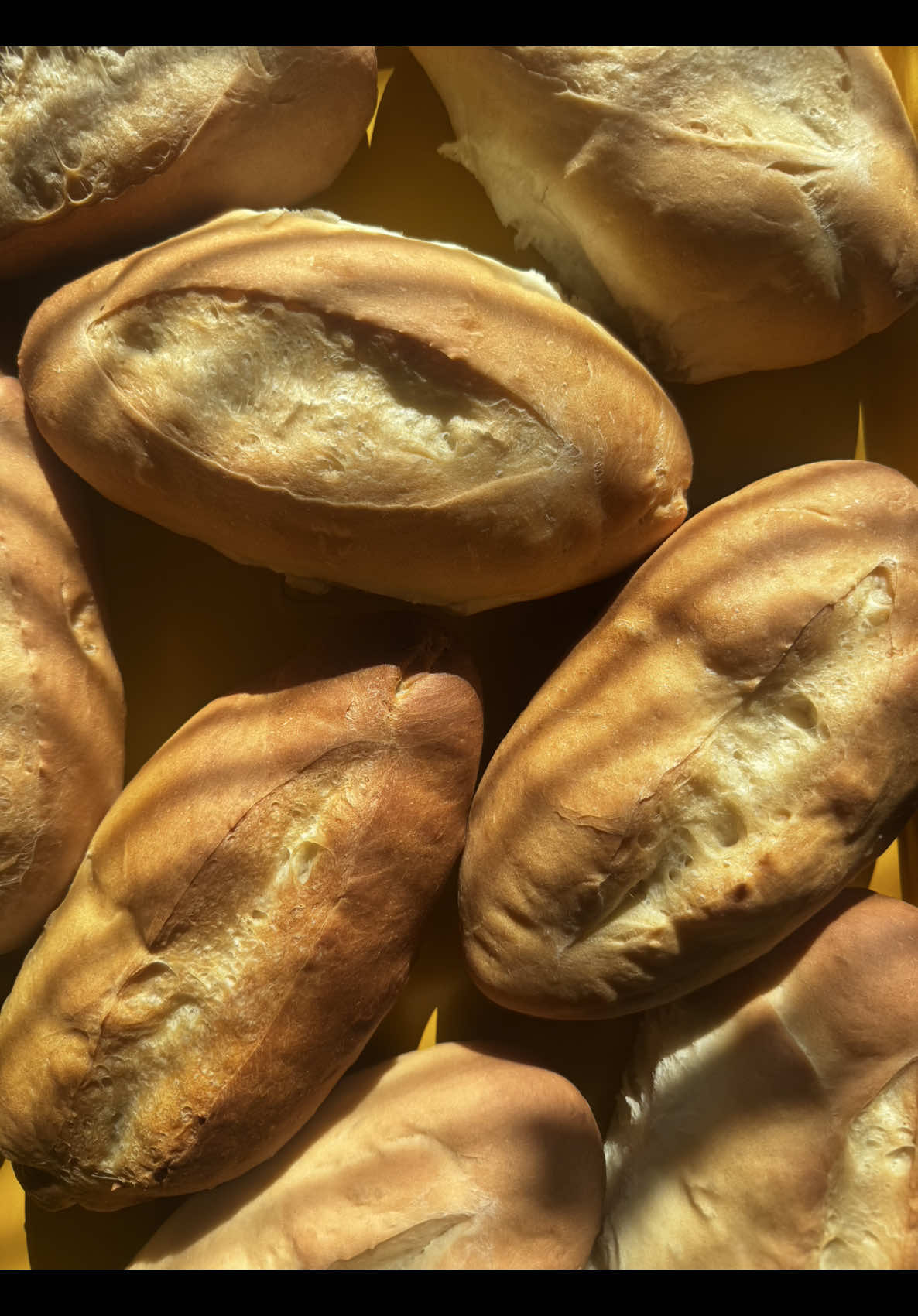
Dive into the world of homemade goodness with these fluffy sandwich rolls, ideal for crafting the ultimate meatball sub! With just a handful of simple ingredients like all-purpose flour and yeast, plus a little kneading magic, you’ll whip up rolls that are soft, airy, and ready to hug your favorite fillings. Perfect for any gathering, these rolls will elevate your sandwich game to delicious new heights!
Prep
180
min
Cook
25
min
Serves
8
people
Level
beginner
The Story
Philadelphia's dockworkers in the 1890s needed portable lunches, so Italian immigrants from Genoa adapted their soft rosette rolls into longer, sturdier vessels for cured meats—ditching the crusty exterior for a tender crumb that wouldn't shred when loaded with cheese, peppers, and oil. That's how a humble Mediterranean bread became the hoagie, Philly's edible monument to immigrant ingenuity and questionable lunch-hour nutrition standards.
Regional Twist
In New Orleans, bakers swap the neutral oil for lard and add a touch more sugar, creating the drier, more crumbly po'boy roll that's engineered specifically to hold fried shrimp without turning into a soggy mess.
📝 Ingredients
Serves 8🥬Fresh Produce(1)
- 455g (2 cups) room-temperature water (16.1 oz)
🥛Dairy & Eggs(1)
- 1 large egg, room temperature
🫙Pantry Staples(4)
- 780g (about 5 1/2 cups) bread flour, plus more for flouring work surface (6.24 cup)
- 17g (4 teaspoons) granulated sugar (0.09 cup)
- 14g (4 teaspoons) instant or fast-acting instant yeast (0.49 oz)
- 45g (3 tablespoons) neutral oil such as vegetable, plus more for greasing the bowl (1.59 oz)
🧂Spices & Seasonings(1)
- 9g (1 tablespoon) Diamond Crystal kosher salt; for table salt, use half as much by volume or the same weight (0.32 oz)for table salt, use half as much by volume or the same weight
Nutrition (per serving)
Calories
413
Protein
13g
Carbs
71g
Fat
7g
👨🍳 Instructions
- 1
Combine the bread flour, yeast, and kosher salt in a large bowl.
- 2
Add the room-temperature water, neutral oil, egg, and granulated sugar to the dry ingredients and mix until a dough forms.
- 3
Knead the dough on a floured surface until smooth and elastic.
- 4
Let the dough rise in a greased bowl until doubled in size, about 1-2 hours.
- 5
Preheat the oven to 375°F (190°C).
- 6
Divide the dough into 8 equal pieces and shape them into rolls.
- 7
Place the rolls on a baking sheet and let them rise for another 30 minutes.
- 8
Bake in the preheated oven for 20-25 minutes or until golden brown.
💡 Pro Tips
- ✓Mix salt and yeast separately into the flour before adding water because direct contact between salt and yeast delays fermentation by up to 30 minutes—salt denatures yeast cell membranes and slows osmotic activity.technique30-minute fermentation delay
- ✓Achieve 58% hydration (455g water ÷ 780g flour) by adding water in two stages: 80% initially, then reserve 20% to adjust after 5 minutes of kneading, allowing flour to fully hydrate before correcting dough consistency.ingredient58% hydration | 80/20 water split
- ✓Perform the windowpane test after 8-10 minutes of kneading: stretch a small dough piece until translucent without tearing, indicating gluten development sufficient for open crumb structure in sandwich rolls.timing8-10 minutes kneading
- ✓Score the tops of rolls with a 1/4-inch shallow cut using a lame or sharp knife 5 minutes before baking—this redirects steam expansion upward and creates an even, attractive split while increasing crust surface area by 15-20%.technique1/4-inch depth | 5 minutes pre-bake
- ✓Brush rolls with egg wash (whole egg + 1 tablespoon water) immediately after the second rise, not before baking, because the wash sets a moisture barrier that prevents rapid surface drying and ensures even browning at 375°F.timingApply post-rise | 375°F (190°C)
Share this recipe
Prep
180
min
Cook
25
min
Serves
8
people
Level
beginner
Share this recipe
Philadelphia's hoagie rolls get their chewy crust from steam-injected ovens, a 1940s bakery trick still unmatched by home kitchens today.
Sandwich Rolls / Hoagie Roll
Dive into the world of homemade goodness with these fluffy sandwich rolls, ideal for crafting the ultimate meatball sub! With just a handful of simple ingredients like all-purpose flour and yeast, plus a little kneading magic, you’ll whip up rolls that are soft, airy, and ready to hug your favorite fillings. Perfect for any gathering, these rolls will elevate your sandwich game to delicious new heights!
The Story
Philadelphia's dockworkers in the 1890s needed portable lunches, so Italian immigrants from Genoa adapted their soft rosette rolls into longer, sturdier vessels for cured meats—ditching the crusty exterior for a tender crumb that wouldn't shred when loaded with cheese, peppers, and oil. That's how a humble Mediterranean bread became the hoagie, Philly's edible monument to immigrant ingenuity and questionable lunch-hour nutrition standards.
Regional Twist
In New Orleans, bakers swap the neutral oil for lard and add a touch more sugar, creating the drier, more crumbly po'boy roll that's engineered specifically to hold fried shrimp without turning into a soggy mess.
📝 Ingredients
Serves 8🥬Fresh Produce(1)
- 455g (2 cups) room-temperature water (16.1 oz)
🥛Dairy & Eggs(1)
- 1 large egg, room temperature
🫙Pantry Staples(4)
- 780g (about 5 1/2 cups) bread flour, plus more for flouring work surface (6.24 cup)
- 17g (4 teaspoons) granulated sugar (0.09 cup)
- 14g (4 teaspoons) instant or fast-acting instant yeast (0.49 oz)
- 45g (3 tablespoons) neutral oil such as vegetable, plus more for greasing the bowl (1.59 oz)
🧂Spices & Seasonings(1)
- 9g (1 tablespoon) Diamond Crystal kosher salt; for table salt, use half as much by volume or the same weight (0.32 oz)for table salt, use half as much by volume or the same weight
Nutrition (per serving)
Calories
413
Protein
13g
Carbs
71g
Fat
7g
👨🍳 Instructions
- 1
Combine the bread flour, yeast, and kosher salt in a large bowl.
- 2
Add the room-temperature water, neutral oil, egg, and granulated sugar to the dry ingredients and mix until a dough forms.
- 3
Knead the dough on a floured surface until smooth and elastic.
- 4
Let the dough rise in a greased bowl until doubled in size, about 1-2 hours.
- 5
Preheat the oven to 375°F (190°C).
- 6
Divide the dough into 8 equal pieces and shape them into rolls.
- 7
Place the rolls on a baking sheet and let them rise for another 30 minutes.
- 8
Bake in the preheated oven for 20-25 minutes or until golden brown.
💡 Pro Tips
- ✓Mix salt and yeast separately into the flour before adding water because direct contact between salt and yeast delays fermentation by up to 30 minutes—salt denatures yeast cell membranes and slows osmotic activity.technique30-minute fermentation delay
- ✓Achieve 58% hydration (455g water ÷ 780g flour) by adding water in two stages: 80% initially, then reserve 20% to adjust after 5 minutes of kneading, allowing flour to fully hydrate before correcting dough consistency.ingredient58% hydration | 80/20 water split
- ✓Perform the windowpane test after 8-10 minutes of kneading: stretch a small dough piece until translucent without tearing, indicating gluten development sufficient for open crumb structure in sandwich rolls.timing8-10 minutes kneading
- ✓Score the tops of rolls with a 1/4-inch shallow cut using a lame or sharp knife 5 minutes before baking—this redirects steam expansion upward and creates an even, attractive split while increasing crust surface area by 15-20%.technique1/4-inch depth | 5 minutes pre-bake
- ✓Brush rolls with egg wash (whole egg + 1 tablespoon water) immediately after the second rise, not before baking, because the wash sets a moisture barrier that prevents rapid surface drying and ensures even browning at 375°F.timingApply post-rise | 375°F (190°C)