Kiwi contains actinidin, an enzyme so aggressive it stops gelatin from setting—you must boil the fruit first to kill it.
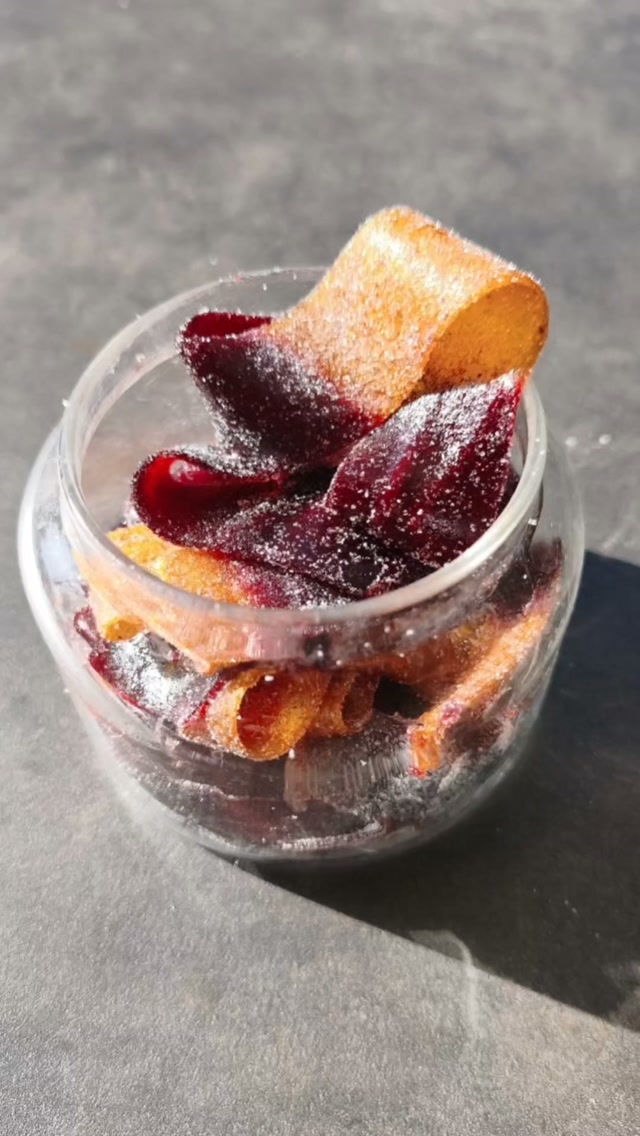
Homemade Raspberry-Kiwi Candies
Dive into the delightful world of homemade raspberry-kiwi candies that burst with fruity flavors! Crafted without gelatin, these chewy treats rely on agar-agar for that perfect texture. Whip up a batch effortlessly and enjoy a sweet and tangy snack that’s sure to impress friends and family!
Prep
15
min
Cook
240
min
Serves
4
people
Level
beginner
The Story
This French confiserie technique owes everything to Japan, where agar-agar was discovered in the 1650s by Tarozaemon Minoya and later perfected into kanten—without that Edo-period seaweed breakthrough, Lyon's pâtissiers in the 1800s would've never nicked the setting agent to transform humble raspberry and kiwi purees into these jewel-toned pâtes de fruits, proving the best French candy has distinctly Japanese DNA running through it.
Regional Twist
Down in Provence, bakers swap half the framboises for sun-ripened Cavaillon melon puree, cutting the sugar slightly since the melon's natural sweetness does the heavy lifting, then dust the finished strips with lavender-infused sugar instead of plain for a properly Provençal finish.
📝 Ingredients
Serves 4🫙Pantry Staples(2)
- 100 g de sucre (0.5 cup)
- Sucre pour l’enrobageoptional
📦Other(3)
- 3 g d’agar-agar (2 g framboise + 1 g kiwi) (0.11 oz)
- 3 kiwis
- 500 g de framboises surgelées (17.6 oz)
Nutrition (per serving)
Calories
194
Protein
1g
Carbs
49g
Fat
1g
👨🍳 Instructions
- 1
Thaw the frozen raspberries, gently heat them with 100 g of sugar until a coulis is formed. Blend and strain.
- 2
Peel and blend the raw kiwis, then strain them as well.
- 3
Let the coulis cool slightly, then add the agar-agar directly: 2 g to the raspberry coulis and 1 g to the kiwi coulis.
- 4
On a baking sheet lined with parchment paper, alternate bands of the two coulis and spread them very thinly. Nothing to add on the paper!
- 5
Bake at 80°C for about 4 hours (+30 minutes if needed). It's ready when the surface is slightly sticky but doesn't leave coulis on your finger.
- 6
Let cool, peel off, cut into strips, and sprinkle with sugar.
💡 Pro Tips
- ✓Add agar-agar to coulis between 65-75°C, not boiling, because temperatures above 80°C denature the polysaccharide chains and reduce gel strength by up to 30%, resulting in a weaker set.timing65-75°C optimal temperature
- ✓Strain kiwi coulis through fine mesh (120-150 microns) immediately after blending because kiwi contains actinidin protease that breaks down gelatin and weakens agar-agar's molecular bonds if left unfiltered for more than 10 minutes.technique10-minute window post-blend
- ✓Spread coulis layers to 2-3 mm thickness maximum because moisture evaporation at 80°C requires 4+ hours for uniform dehydration; thicker layers (>4 mm) create a moist interior and sticky exterior that won't set properly.technique2-3 mm thickness
- ✓Use a 2:1 agar-agar ratio (raspberry:kiwi) because kiwi's higher water content (83% vs raspberries' 85% post-cooking) and enzymatic activity require less gelling agent to achieve the same gel firmness.ingredient2:1 ratio compensation
- ✓Cool candies to room temperature (20-22°C) for 30 minutes before peeling because warm agar gel remains semi-flexible; cooling allows the polysaccharide matrix to fully crystallize and firm up, preventing tearing during removal.timing30 minutes at 20-22°C
Share this recipe
Prep
15
min
Cook
240
min
Serves
4
people
Level
beginner
Share this recipe
Kiwi contains actinidin, an enzyme so aggressive it stops gelatin from setting—you must boil the fruit first to kill it.
Homemade Raspberry-Kiwi Candies
Dive into the delightful world of homemade raspberry-kiwi candies that burst with fruity flavors! Crafted without gelatin, these chewy treats rely on agar-agar for that perfect texture. Whip up a batch effortlessly and enjoy a sweet and tangy snack that’s sure to impress friends and family!
The Story
This French confiserie technique owes everything to Japan, where agar-agar was discovered in the 1650s by Tarozaemon Minoya and later perfected into kanten—without that Edo-period seaweed breakthrough, Lyon's pâtissiers in the 1800s would've never nicked the setting agent to transform humble raspberry and kiwi purees into these jewel-toned pâtes de fruits, proving the best French candy has distinctly Japanese DNA running through it.
Regional Twist
Down in Provence, bakers swap half the framboises for sun-ripened Cavaillon melon puree, cutting the sugar slightly since the melon's natural sweetness does the heavy lifting, then dust the finished strips with lavender-infused sugar instead of plain for a properly Provençal finish.
📝 Ingredients
Serves 4🫙Pantry Staples(2)
- 100 g de sucre (0.5 cup)
- Sucre pour l’enrobageoptional
📦Other(3)
- 3 g d’agar-agar (2 g framboise + 1 g kiwi) (0.11 oz)
- 3 kiwis
- 500 g de framboises surgelées (17.6 oz)
Nutrition (per serving)
Calories
194
Protein
1g
Carbs
49g
Fat
1g
👨🍳 Instructions
- 1
Thaw the frozen raspberries, gently heat them with 100 g of sugar until a coulis is formed. Blend and strain.
- 2
Peel and blend the raw kiwis, then strain them as well.
- 3
Let the coulis cool slightly, then add the agar-agar directly: 2 g to the raspberry coulis and 1 g to the kiwi coulis.
- 4
On a baking sheet lined with parchment paper, alternate bands of the two coulis and spread them very thinly. Nothing to add on the paper!
- 5
Bake at 80°C for about 4 hours (+30 minutes if needed). It's ready when the surface is slightly sticky but doesn't leave coulis on your finger.
- 6
Let cool, peel off, cut into strips, and sprinkle with sugar.
💡 Pro Tips
- ✓Add agar-agar to coulis between 65-75°C, not boiling, because temperatures above 80°C denature the polysaccharide chains and reduce gel strength by up to 30%, resulting in a weaker set.timing65-75°C optimal temperature
- ✓Strain kiwi coulis through fine mesh (120-150 microns) immediately after blending because kiwi contains actinidin protease that breaks down gelatin and weakens agar-agar's molecular bonds if left unfiltered for more than 10 minutes.technique10-minute window post-blend
- ✓Spread coulis layers to 2-3 mm thickness maximum because moisture evaporation at 80°C requires 4+ hours for uniform dehydration; thicker layers (>4 mm) create a moist interior and sticky exterior that won't set properly.technique2-3 mm thickness
- ✓Use a 2:1 agar-agar ratio (raspberry:kiwi) because kiwi's higher water content (83% vs raspberries' 85% post-cooking) and enzymatic activity require less gelling agent to achieve the same gel firmness.ingredient2:1 ratio compensation
- ✓Cool candies to room temperature (20-22°C) for 30 minutes before peeling because warm agar gel remains semi-flexible; cooling allows the polysaccharide matrix to fully crystallize and firm up, preventing tearing during removal.timing30 minutes at 20-22°C