New York bakers in the 1900s added cream cheese to Roman-style cheesecake, creating a denser texture Europe never intended.
Cream Cheese Cake
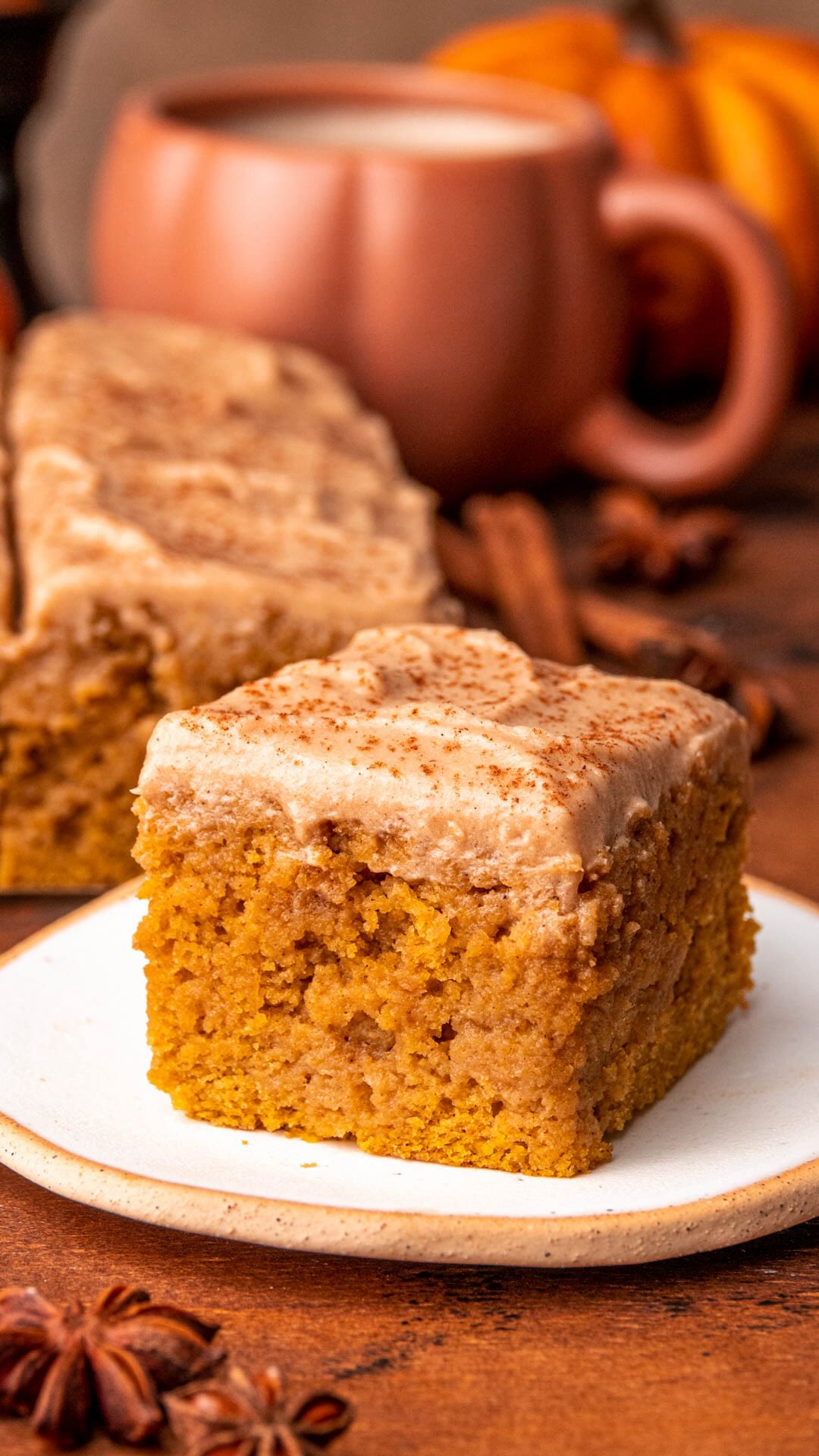
Indulge in a slice of joy with our Cream Cheese Cake, where the rich, velvety cream cheese pairs perfectly with a tender, airy cake. Whipped to perfection and infused with a hint of vanilla, this luscious dessert is a crowd-pleaser that will have everyone coming back for seconds. Perfect for any occasion, it's a sweet treat that’s both simple to make and impossible to resist!
Prep
15
min
Cook
35
min
Serves
12
people
Level
beginner
📝 Ingredients
Serves 12🥛Dairy & Eggs(2)
- 8 oz cream cheese, softened (227 g)Use non-dairy cream cheese for a dairy-free option.
- 1/2 cup milk (120 ml)Substitute with almond or oat milk for dairy-free.
🫙Pantry Staples(5)
- 2 cups all-purpose flour (250 g)Replace with a gluten-free flour blend for gluten-free.
- 1 1/2 teaspoons baking powder (7.5 ml)
- 1 cup granulated sugar (200 g)Use a sugar substitute like Stevia or monk fruit sweetener for lower sugar.
- 1 teaspoon vanilla extract (5 ml)
- 1/2 cup vegetable oil (120 ml)
🧂Spices & Seasonings(1)
- 1/4 teaspoon salt (1.25 ml)
📦Other(1)
- 3 large eggs
Nutrition (per serving)
Calories
311
Protein
5g
Carbs
34g
Fat
17g
👨🍳 Instructions
- 1
Preheat the oven to 350°F (175°C) and grease a 9×13-inch baking pan.
- 2
In a large mixing bowl, beat together the softened cream cheese and vegetable oil until smooth and creamy.
- 3
Gradually add the sugar to the cream cheese mixture and continue to beat until it becomes light and fluffy.
- 4
Beat in the eggs one at a time, ensuring each one is fully combined before adding the next. Stir in the vanilla extract.
- 5
In a separate bowl, whisk together the flour, baking powder, and salt.
- 6
Gradually mix the dry ingredients into the cream cheese mixture, alternating with the milk. Start and end with the dry ingredients. Mix until just combined—do not overmix.
- 7
Pour the batter into the prepared pan and spread it evenly. Bake for 30-35 minutes, or until a toothpick inserted into the center comes out clean.
- 8
Allow the cake to cool in the pan for about 10 minutes. Then, transfer it to a wire rack to cool completely before slicing.
💡 Pro Tips
- ✓Beat the cream cheese and oil to 70-75°F (21-24°C) before mixing to achieve proper emulsification; cold cream cheese (below 65°F) won't fully incorporate with oil, creating a grainy crumb structure with up to 15% less volume.ingredient70-75°F optimal temperature
- ✓Add eggs individually and wait 20-30 seconds between each addition for complete emulsification; adding all at once overwhelms the fat phase and can break the emulsion, reducing rise by up to 25% due to lost air incorporation.technique20-30 seconds between additions
- ✓When alternating dry and wet ingredients, use a 3-part dry, 2-part wet sequence (dry-wet-dry-wet-dry) and mix only 8-10 strokes after each addition; overmixing activates gluten development, creating a dense, tough crumb instead of the tender, moist structure cream cheese cakes require.technique8-10 strokes per addition
- ✓Test doneness at 32 minutes (not 35) with a toothpick inserted 1 inch from center—this cream cheese cake continues cooking via carryover heat during the 10-minute pan rest, reaching full set temperature; testing at 35 minutes risks overbaking and drying out the oil-rich crumb.timing32 minutes; test 1 inch from center
- ✓Cool in the pan for exactly 10 minutes before transferring to a rack; this allows the crumb to set enough to hold together (starch gelatinization peaks around 150-160°F) while the structure is still warm enough to release cleanly from the pan without sticking.timing10 minutes in-pan cooling
Share this recipe
Prep
15
min
Cook
35
min
Serves
12
people
Level
beginner
Share this recipe
New York bakers in the 1900s added cream cheese to Roman-style cheesecake, creating a denser texture Europe never intended.
Cream Cheese Cake
Indulge in a slice of joy with our Cream Cheese Cake, where the rich, velvety cream cheese pairs perfectly with a tender, airy cake. Whipped to perfection and infused with a hint of vanilla, this luscious dessert is a crowd-pleaser that will have everyone coming back for seconds. Perfect for any occasion, it's a sweet treat that’s both simple to make and impossible to resist!
📝 Ingredients
Serves 12🥛Dairy & Eggs(2)
- 8 oz cream cheese, softened (227 g)Use non-dairy cream cheese for a dairy-free option.
- 1/2 cup milk (120 ml)Substitute with almond or oat milk for dairy-free.
🫙Pantry Staples(5)
- 2 cups all-purpose flour (250 g)Replace with a gluten-free flour blend for gluten-free.
- 1 1/2 teaspoons baking powder (7.5 ml)
- 1 cup granulated sugar (200 g)Use a sugar substitute like Stevia or monk fruit sweetener for lower sugar.
- 1 teaspoon vanilla extract (5 ml)
- 1/2 cup vegetable oil (120 ml)
🧂Spices & Seasonings(1)
- 1/4 teaspoon salt (1.25 ml)
📦Other(1)
- 3 large eggs
Nutrition (per serving)
Calories
311
Protein
5g
Carbs
34g
Fat
17g
👨🍳 Instructions
- 1
Preheat the oven to 350°F (175°C) and grease a 9×13-inch baking pan.
- 2
In a large mixing bowl, beat together the softened cream cheese and vegetable oil until smooth and creamy.
- 3
Gradually add the sugar to the cream cheese mixture and continue to beat until it becomes light and fluffy.
- 4
Beat in the eggs one at a time, ensuring each one is fully combined before adding the next. Stir in the vanilla extract.
- 5
In a separate bowl, whisk together the flour, baking powder, and salt.
- 6
Gradually mix the dry ingredients into the cream cheese mixture, alternating with the milk. Start and end with the dry ingredients. Mix until just combined—do not overmix.
- 7
Pour the batter into the prepared pan and spread it evenly. Bake for 30-35 minutes, or until a toothpick inserted into the center comes out clean.
- 8
Allow the cake to cool in the pan for about 10 minutes. Then, transfer it to a wire rack to cool completely before slicing.
💡 Pro Tips
- ✓Beat the cream cheese and oil to 70-75°F (21-24°C) before mixing to achieve proper emulsification; cold cream cheese (below 65°F) won't fully incorporate with oil, creating a grainy crumb structure with up to 15% less volume.ingredient70-75°F optimal temperature
- ✓Add eggs individually and wait 20-30 seconds between each addition for complete emulsification; adding all at once overwhelms the fat phase and can break the emulsion, reducing rise by up to 25% due to lost air incorporation.technique20-30 seconds between additions
- ✓When alternating dry and wet ingredients, use a 3-part dry, 2-part wet sequence (dry-wet-dry-wet-dry) and mix only 8-10 strokes after each addition; overmixing activates gluten development, creating a dense, tough crumb instead of the tender, moist structure cream cheese cakes require.technique8-10 strokes per addition
- ✓Test doneness at 32 minutes (not 35) with a toothpick inserted 1 inch from center—this cream cheese cake continues cooking via carryover heat during the 10-minute pan rest, reaching full set temperature; testing at 35 minutes risks overbaking and drying out the oil-rich crumb.timing32 minutes; test 1 inch from center
- ✓Cool in the pan for exactly 10 minutes before transferring to a rack; this allows the crumb to set enough to hold together (starch gelatinization peaks around 150-160°F) while the structure is still warm enough to release cleanly from the pan without sticking.timing10 minutes in-pan cooling