Medieval Italian monks invented this pasta combo because pears were the only fruit that survived monastery winters with aged cheese.
Pasta with Pears and Pecorino
Elevate your pasta night with this delightful dish that marries the juicy sweetness of ripe pears with the bold, tangy notes of pecorino cheese. Tossed in a light olive oil sauce and finished with a sprinkle of fresh herbs, this recipe brings a burst of flavor and a touch of sophistication to your table. Get ready to impress your taste buds with this deliciously unique fusion!
Prep
10
min
Cook
15
min
Serves
2
people
Level
beginner
📝 Ingredients
Serves 2🥬Fresh Produce(1)
- Pear - 1 ripe
🫙Pantry Staples(2)
- Olive Oil - 1 tbsp (15 ml)
- Pasta - 80g (2.82 oz)
🧂Spices & Seasonings(1)
- Salt and Pepper - to taste
👨🍳 Instructions
- 1
Cook the pasta according to package instructions until al dente.
- 2
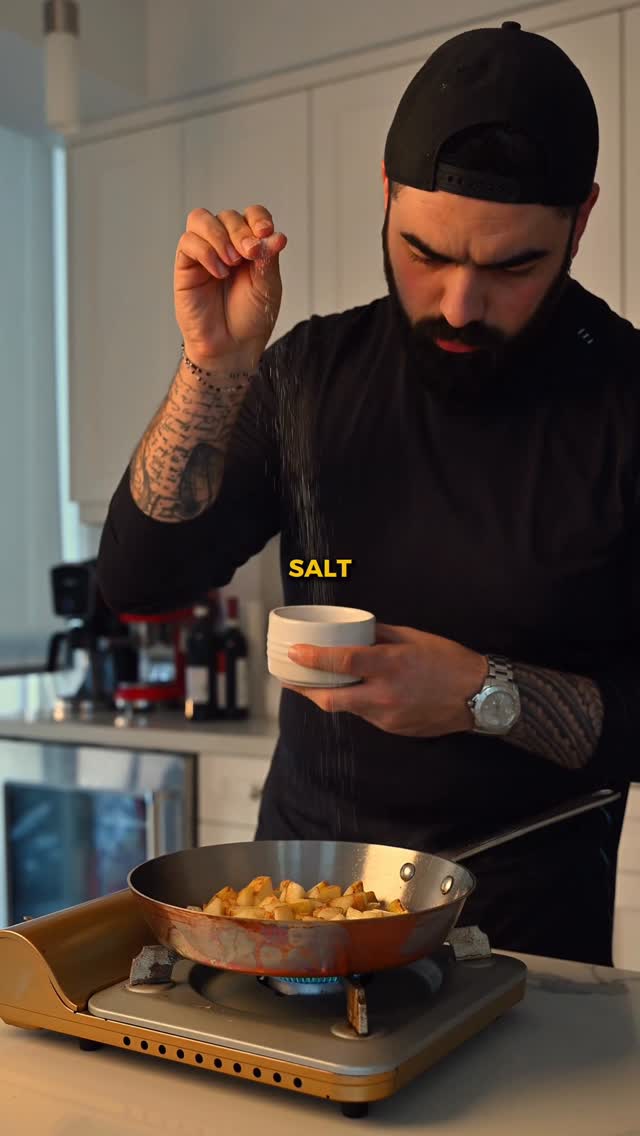
In a pan, heat the olive oil and add the sliced ripe pear.
- 3
Sauté the pears until they are slightly soft.
- 4
Add the cooked pasta to the pan and mix well.
- 5
Sprinkle with pecorino cheese, salt, and pepper to taste.
💡 Pro Tips
- ✓Reserve 1 cup of starchy pasta water before draining - its 2-3% starch content creates a silky emulsion when mixed with pecorino, preventing the cheese from clumping.technique2-3% starch content
- ✓Sauté pears for exactly 2-3 minutes over medium heat (300°F pan surface) to caramelize natural sugars while maintaining structural integrity - longer cooking turns them mushy.timing2-3 minutes at 300°F
- ✓Grate pecorino using the finest holes and add off-heat while tossing vigorously - temperatures above 160°F cause the proteins to seize and create stringy clumps instead of creamy coating.techniqueBelow 160°F
- ✓Choose pears at 85% ripeness (slight give when pressed near stem) - they'll soften perfectly during sautéing without breaking apart or remaining too firm.ingredient85% ripeness
- ✓Finish the dish with a 3:1 ratio of pasta water to olive oil while tossing to create a proper emulsion that coats each strand evenly.technique3:1 ratio
Share this recipe
Prep
10
min
Cook
15
min
Serves
2
people
Level
beginner
Share this recipe
Medieval Italian monks invented this pasta combo because pears were the only fruit that survived monastery winters with aged cheese.
Pasta with Pears and Pecorino
Elevate your pasta night with this delightful dish that marries the juicy sweetness of ripe pears with the bold, tangy notes of pecorino cheese. Tossed in a light olive oil sauce and finished with a sprinkle of fresh herbs, this recipe brings a burst of flavor and a touch of sophistication to your table. Get ready to impress your taste buds with this deliciously unique fusion!
📝 Ingredients
Serves 2🥬Fresh Produce(1)
- Pear - 1 ripe
🫙Pantry Staples(2)
- Olive Oil - 1 tbsp (15 ml)
- Pasta - 80g (2.82 oz)
🧂Spices & Seasonings(1)
- Salt and Pepper - to taste
👨🍳 Instructions
- 1
Cook the pasta according to package instructions until al dente.
- 2
In a pan, heat the olive oil and add the sliced ripe pear.
- 3
Sauté the pears until they are slightly soft.
- 4
Add the cooked pasta to the pan and mix well.
- 5
Sprinkle with pecorino cheese, salt, and pepper to taste.
💡 Pro Tips
- ✓Reserve 1 cup of starchy pasta water before draining - its 2-3% starch content creates a silky emulsion when mixed with pecorino, preventing the cheese from clumping.technique2-3% starch content
- ✓Sauté pears for exactly 2-3 minutes over medium heat (300°F pan surface) to caramelize natural sugars while maintaining structural integrity - longer cooking turns them mushy.timing2-3 minutes at 300°F
- ✓Grate pecorino using the finest holes and add off-heat while tossing vigorously - temperatures above 160°F cause the proteins to seize and create stringy clumps instead of creamy coating.techniqueBelow 160°F
- ✓Choose pears at 85% ripeness (slight give when pressed near stem) - they'll soften perfectly during sautéing without breaking apart or remaining too firm.ingredient85% ripeness
- ✓Finish the dish with a 3:1 ratio of pasta water to olive oil while tossing to create a proper emulsion that coats each strand evenly.technique3:1 ratio