French bread's signature crust forms only when steam hits 450°F ovens—home bakers discovered ice cubes work perfectly.
Homemade French Bread
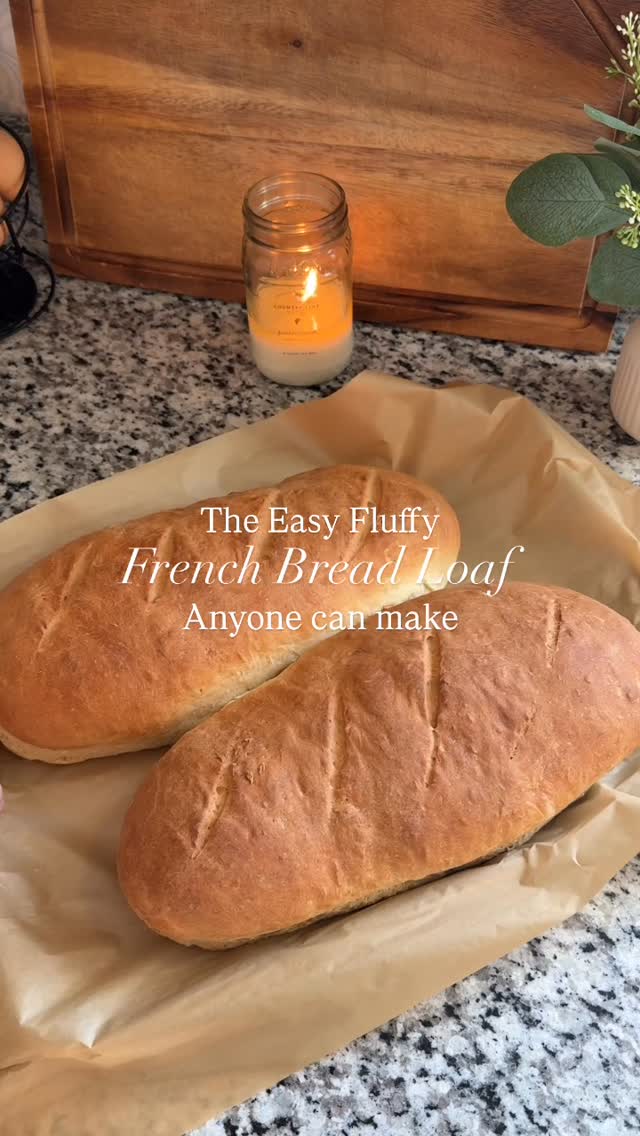
Craft your own delightful French bread that boasts a perfectly crunchy crust and a fluffy, tender interior! With just a handful of basic ingredients like flour, yeast, and a sprinkle of salt, you’ll be amazed at how simple it is to create this bakery-worthy loaf right in your kitchen. No expert skills required—just mix, knead, and let your dough rise with love!
Prep
30
min
Cook
25
min
Serves
2
people
Level
beginner
The Story
This isn't proper French bread at all—it's American pain de campagne masquerading in a beret, invented by 1960s suburban housewives who wanted baguette glamour without the fuss of overnight fermentation that actual French boulangeries in Lyon have perfected since Napoleon's time, when bread laws were stricter than speed limits.
Regional Twist
In Quebec's Saguenay region, they replace half the all-purpose flour with local buckwheat flour and brush with maple syrup instead of water before baking.
📝 Ingredients
Pantry Items
Amounts also listed in instructions below
- active dry yeast (to taste)
- 5 ½ cups (660 g) all-purpose flour
- olive oil (to taste)
- salt (to taste)
- sugar or honey (to taste)
- 2 ¼ cups (532 ml) warm water
👨🍳 Instructions
- 1
In a large bowl, mix warm water, sugar, and yeast. Let sit for 5 minutes until foamy.
- 2
Add salt, oil, and 5½ cups flour. Mix and knead for 4–5 minutes (by hand or mixer) until smooth and slightly elastic. Add remaining flour if needed — dough should be soft, not sticky.
- 3
Cover and let rest for 20–25 minutes in a warm spot. It won’t double — that’s okay.
- 4
Divide into 2 equal pieces. Roll each into a long loaf (about 12–14 inches). Place on a parchment-lined baking sheet.
- 5
Let rest for 10–15 minutes while oven heats. Preheat oven to 400°F.
- 6
Slash tops 3–4 times with a sharp knife. Optional but great: brush lightly with water or mist loaves for better crust.
- 7
Bake for 22–25 minutes until golden brown and hollow-sounding when tapped.
💡 Pro Tips
- ✓Test yeast water temperature at 105-110°F with a thermometer because water above 120°F kills yeast enzymes while below 95°F slows activation to over 15 minutes.technique105-110°F
- ✓Knead only until gluten window forms (dough stretches thin without tearing) because over-kneading breaks gluten strands and creates dense, tough bread.technique
- ✓Slash loaves at a 30-45 degree angle, ¼-inch deep, because vertical cuts close during baking while angled cuts create proper ear formation and steam release.technique30-45 degree angle, ¼-inch deep
- ✓Place a metal pan with 1 cup boiling water on oven bottom during first 15 minutes because steam at 212°F keeps crust flexible for maximum oven spring and creates glossy finish.equipment15 minutes, 212°F
- ✓Test doneness at internal temperature of 190-200°F because starch gelatinization completes at this range, ensuring fully cooked crumb without overbaking.timing190-200°F
Share this recipe
Prep
30
min
Cook
25
min
Serves
2
people
Level
beginner
Share this recipe
French bread's signature crust forms only when steam hits 450°F ovens—home bakers discovered ice cubes work perfectly.
Homemade French Bread
Craft your own delightful French bread that boasts a perfectly crunchy crust and a fluffy, tender interior! With just a handful of basic ingredients like flour, yeast, and a sprinkle of salt, you’ll be amazed at how simple it is to create this bakery-worthy loaf right in your kitchen. No expert skills required—just mix, knead, and let your dough rise with love!
The Story
This isn't proper French bread at all—it's American pain de campagne masquerading in a beret, invented by 1960s suburban housewives who wanted baguette glamour without the fuss of overnight fermentation that actual French boulangeries in Lyon have perfected since Napoleon's time, when bread laws were stricter than speed limits.
Regional Twist
In Quebec's Saguenay region, they replace half the all-purpose flour with local buckwheat flour and brush with maple syrup instead of water before baking.
📝 Ingredients
Pantry Items
Amounts also listed in instructions below
- active dry yeast (to taste)
- 5 ½ cups (660 g) all-purpose flour
- olive oil (to taste)
- salt (to taste)
- sugar or honey (to taste)
- 2 ¼ cups (532 ml) warm water
👨🍳 Instructions
- 1
In a large bowl, mix warm water, sugar, and yeast. Let sit for 5 minutes until foamy.
- 2
Add salt, oil, and 5½ cups flour. Mix and knead for 4–5 minutes (by hand or mixer) until smooth and slightly elastic. Add remaining flour if needed — dough should be soft, not sticky.
- 3
Cover and let rest for 20–25 minutes in a warm spot. It won’t double — that’s okay.
- 4
Divide into 2 equal pieces. Roll each into a long loaf (about 12–14 inches). Place on a parchment-lined baking sheet.
- 5
Let rest for 10–15 minutes while oven heats. Preheat oven to 400°F.
- 6
Slash tops 3–4 times with a sharp knife. Optional but great: brush lightly with water or mist loaves for better crust.
- 7
Bake for 22–25 minutes until golden brown and hollow-sounding when tapped.
💡 Pro Tips
- ✓Test yeast water temperature at 105-110°F with a thermometer because water above 120°F kills yeast enzymes while below 95°F slows activation to over 15 minutes.technique105-110°F
- ✓Knead only until gluten window forms (dough stretches thin without tearing) because over-kneading breaks gluten strands and creates dense, tough bread.technique
- ✓Slash loaves at a 30-45 degree angle, ¼-inch deep, because vertical cuts close during baking while angled cuts create proper ear formation and steam release.technique30-45 degree angle, ¼-inch deep
- ✓Place a metal pan with 1 cup boiling water on oven bottom during first 15 minutes because steam at 212°F keeps crust flexible for maximum oven spring and creates glossy finish.equipment15 minutes, 212°F
- ✓Test doneness at internal temperature of 190-200°F because starch gelatinization completes at this range, ensuring fully cooked crumb without overbaking.timing190-200°F