Active dry yeast was invented in 1943 for WWII soldiers—before that, dinner rolls required live yeast cakes.
Soft Homemade Dinner Rolls
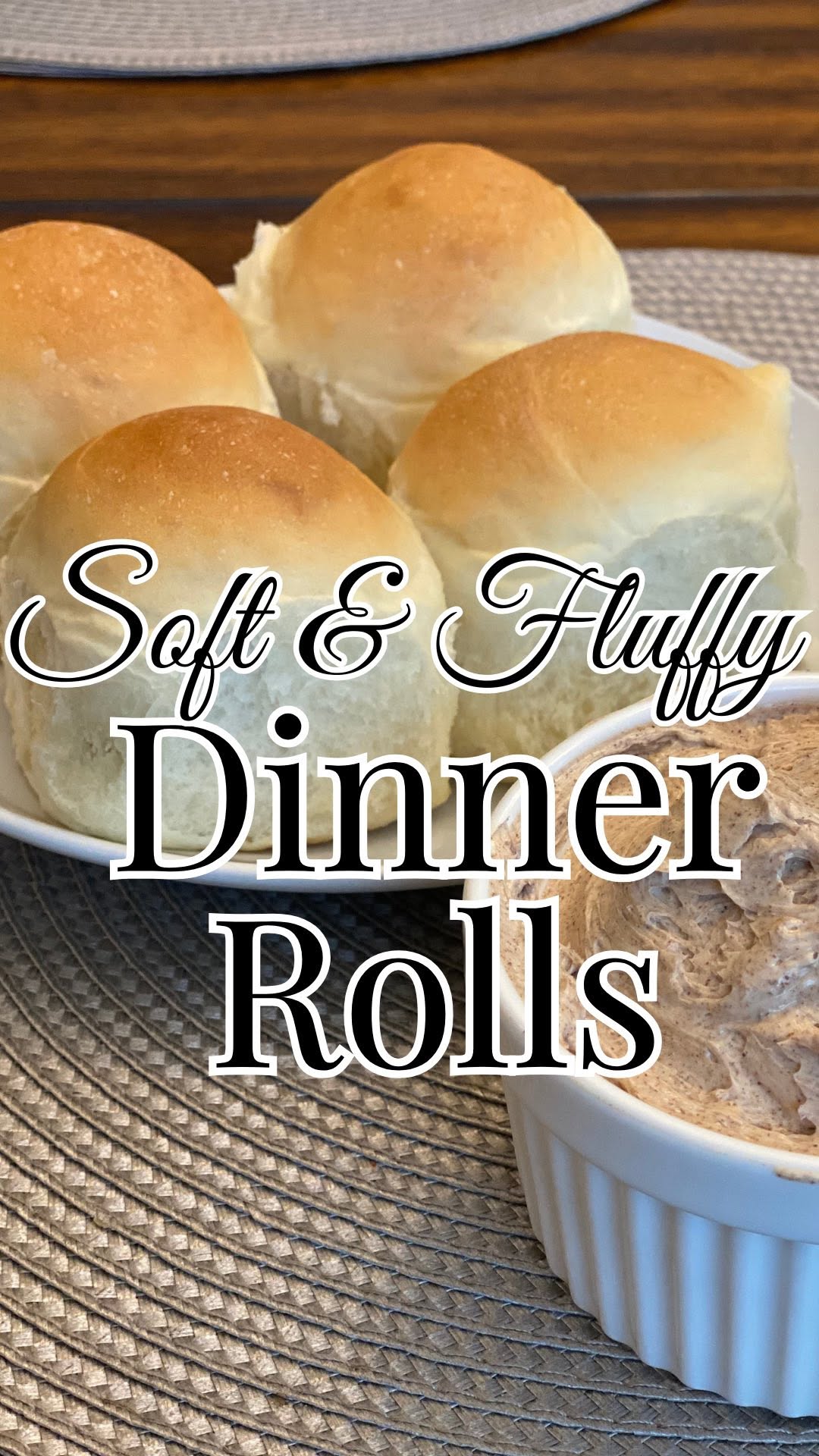
Get ready to elevate your holiday feast with these irresistibly soft and fluffy homemade dinner rolls! Crafted with simple ingredients like buttery goodness and a hint of honey, these rolls are not only easy to make but also guaranteed to impress your guests. Perfectly warm and pillowy, they’ll have everyone coming back for seconds!
Prep
50
min
Cook
25
min
Serves
12
people
Level
beginner
The Story
These pillowy American dinner rolls are actually German immigrants' brilliant 1800s adaptation of their homeland's dense schwarzbrot—when German bakers hit Ellis Island and discovered Americans preferred sugar-sweetened, butter-laden bread over their traditional rye sourdough, they created these cloud-like rolls that became the backbone of every Thanksgiving table from Pennsylvania Dutch country to modern suburbia.
Regional Twist
In Louisiana's Acadiana parishes, they replace half the all-purpose flour with rice flour and add a tablespoon of cane syrup alongside the sugar, creating rolls with a subtle sweetness and chewier texture.
📝 Ingredients
Shopping List
- 1 egg
Pantry Items
Amounts also listed in instructions below
- active dry yeast (to taste)
- 7 cups (840 g) all-purpose flour
- salt (to taste)
- ½ cup (114 g) salted butter
- ½ cup (100 g) sugar
- 2 ½ cups (591 ml) warm water
👨🍳 Instructions
- 1
Combine warm water and yeast.
- 2
Add butter, salt, sugar, egg, and flour; mix and knead for 10 minutes.
- 3
Place dough in a greased bowl, cover, and let rise for 40 minutes.
- 4
Punch down and divide into rolls.
- 5
Cover and rise for 30 minutes.
- 6
Bake at 350°F for 22–25 minutes until golden and soft.
💡 Pro Tips
- ✓Heat your water to exactly 105-110°F for yeast activation - temperatures above 120°F kill yeast enzymes while below 95°F slows fermentation significantly.technique105-110°F
- ✓Knead until the dough passes the windowpane test (stretch a small piece thin enough to see light through without tearing) which indicates proper gluten development for soft texture.technique
- ✓Proof your shaped rolls until they spring back slowly when gently poked with a floured finger - this indicates 80-90% fermentation completion for optimal rise in the oven.timing80-90% fermentation
- ✓Brush tops with melted butter immediately after baking while rolls are 200°F+ so the fat penetrates the crust and creates the signature soft dinner roll texture.technique200°F+
- ✓Use bread flour instead of all-purpose to increase protein content from 10-12% to 12-14%, creating stronger gluten networks that trap more gas for fluffier rolls.ingredient12-14% protein
Share this recipe
Prep
50
min
Cook
25
min
Serves
12
people
Level
beginner
Share this recipe
Active dry yeast was invented in 1943 for WWII soldiers—before that, dinner rolls required live yeast cakes.
Soft Homemade Dinner Rolls
Get ready to elevate your holiday feast with these irresistibly soft and fluffy homemade dinner rolls! Crafted with simple ingredients like buttery goodness and a hint of honey, these rolls are not only easy to make but also guaranteed to impress your guests. Perfectly warm and pillowy, they’ll have everyone coming back for seconds!
The Story
These pillowy American dinner rolls are actually German immigrants' brilliant 1800s adaptation of their homeland's dense schwarzbrot—when German bakers hit Ellis Island and discovered Americans preferred sugar-sweetened, butter-laden bread over their traditional rye sourdough, they created these cloud-like rolls that became the backbone of every Thanksgiving table from Pennsylvania Dutch country to modern suburbia.
Regional Twist
In Louisiana's Acadiana parishes, they replace half the all-purpose flour with rice flour and add a tablespoon of cane syrup alongside the sugar, creating rolls with a subtle sweetness and chewier texture.
📝 Ingredients
Shopping List
- 1 egg
Pantry Items
Amounts also listed in instructions below
- active dry yeast (to taste)
- 7 cups (840 g) all-purpose flour
- salt (to taste)
- ½ cup (114 g) salted butter
- ½ cup (100 g) sugar
- 2 ½ cups (591 ml) warm water
👨🍳 Instructions
- 1
Combine warm water and yeast.
- 2
Add butter, salt, sugar, egg, and flour; mix and knead for 10 minutes.
- 3
Place dough in a greased bowl, cover, and let rise for 40 minutes.
- 4
Punch down and divide into rolls.
- 5
Cover and rise for 30 minutes.
- 6
Bake at 350°F for 22–25 minutes until golden and soft.
💡 Pro Tips
- ✓Heat your water to exactly 105-110°F for yeast activation - temperatures above 120°F kill yeast enzymes while below 95°F slows fermentation significantly.technique105-110°F
- ✓Knead until the dough passes the windowpane test (stretch a small piece thin enough to see light through without tearing) which indicates proper gluten development for soft texture.technique
- ✓Proof your shaped rolls until they spring back slowly when gently poked with a floured finger - this indicates 80-90% fermentation completion for optimal rise in the oven.timing80-90% fermentation
- ✓Brush tops with melted butter immediately after baking while rolls are 200°F+ so the fat penetrates the crust and creates the signature soft dinner roll texture.technique200°F+
- ✓Use bread flour instead of all-purpose to increase protein content from 10-12% to 12-14%, creating stronger gluten networks that trap more gas for fluffier rolls.ingredient12-14% protein