Gochujang ferments in Korean ceramic pots for 2+ years underground, creating complex umami that bottled versions can't replicate.
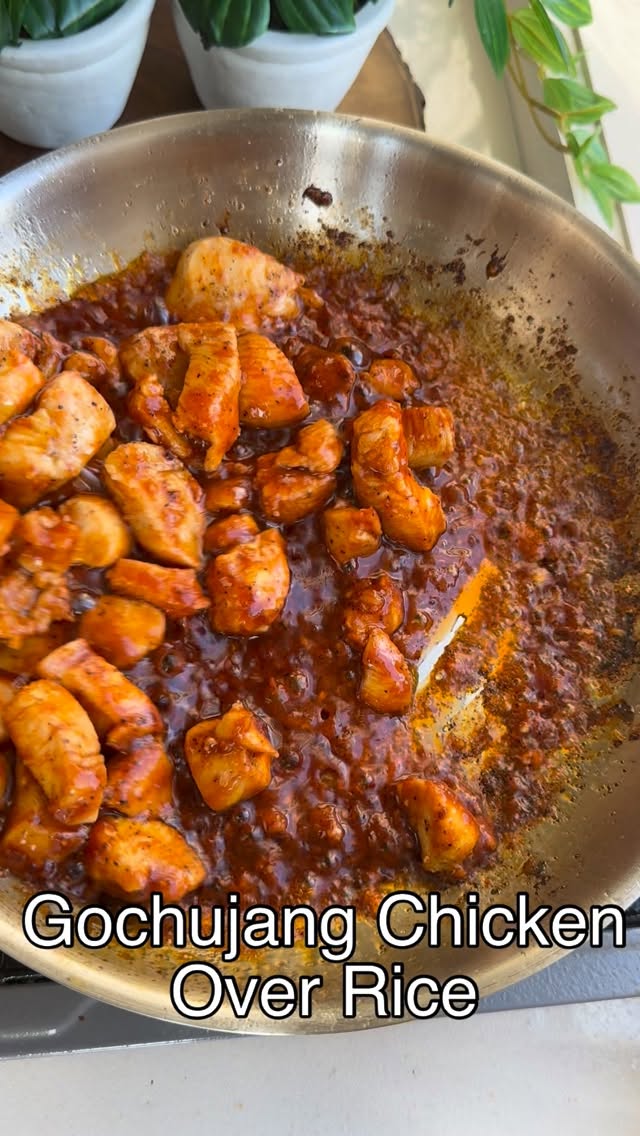
Gochujang Chicken Over Rice
Indulge in a mouthwatering adventure with our Gochujang Chicken served atop a fluffy bed of rice! Juicy chicken thighs are marinated in a zesty blend of gochujang, garlic, and honey, then sautéed to perfection for a sweet and spicy kick. This dish is not just a meal; it's a flavor explosion that will have you coming back for seconds!
Prep
15
min
Cook
15
min
Serves
4
people
Level
beginner
The Story
This Korean-American hybrid was born in 1970s Los Angeles when Korean War veterans returned home craving Seoul's fire but needing something their families could actually eat—Korean immigrants in Koreatown swapped traditional doenjang for accessible gochujang, creating a gateway drug that turned suburban American kitchens into proper spice laboratories without requiring a PhD in fermented bean paste.
Regional Twist
In Busan's coastal districts, they swap the brown sugar for raw cane sugar and double the rice vinegar, then finish with dried anchovy powder that turns this mainland comfort food into proper seaside fuel.
📝 Ingredients
Shopping List
- 2 tablespoons (30 ml) gochujang
- green onions (to taste)
- sesame seeds (to taste)
Pantry Items
Amounts also listed in instructions below
- black pepper (to taste)
- brown sugar (to taste)
- 1 lb (454 g) chicken
- 4 cups (740 g) cooked white rice
- garlic and ginger paste (to taste)
- garlic powder (to taste)
- honey (to taste)
- onion powder (to taste)
- rice vinegar (to taste)
- salt (to taste)
- sesame oil (to taste)
- soy sauce (to taste)
👨🍳 Instructions
- 1
Add all the sauce ingredients in a small bowl and mix well.
- 2
Cut your chicken thighs or breast into bite-sized pieces.
- 3
Season chicken with salt, pepper, garlic powder, and onion powder. Mix well.
- 4
In a pan, heat 2 tablespoons of neutral oil, like canola or vegetable oil.
- 5
Cook the chicken for 3-4 minutes on medium heat. If your pieces are smaller, shorten the cook time to avoid dry chicken.
- 6
When the chicken is almost cooked, add in the garlic and ginger mix, then add in your sauce and let everything come together for about another 30 seconds.
- 7
Remove from the heat to prevent the sauce from thickening too much.
- 8
Serve over white rice.
- 9
Garnish with sesame seeds and green onions.
💡 Pro Tips
- ✓Heat your gochujang sauce ingredients to 185-190°F before adding to the chicken to activate the fermented compounds and create better flavor integration without scorching the honey.technique185-190°F
- ✓Cut chicken pieces to exactly 1-inch cubes for even cooking - smaller pieces overcook in the 3-4 minute window while larger pieces remain undercooked at the center.technique1-inch cubes
- ✓Add the garlic-ginger paste only in the final 30 seconds because fresh garlic burns at 280°F and your pan is likely 350°F+, creating bitter compounds that overpower the gochujang.timing30 seconds
- ✓Use day-old refrigerated rice reheated to 165°F because it has 20% less moisture than fresh rice, preventing the dish from becoming soggy when the sauce is added.ingredient165°F, 20% less moisture
- ✓Remove from heat immediately after sauce addition because gochujang contains natural starches that thicken exponentially above 200°F, turning your sauce into a paste.timing200°F threshold
Share this recipe
Prep
15
min
Cook
15
min
Serves
4
people
Level
beginner
Share this recipe
Gochujang ferments in Korean ceramic pots for 2+ years underground, creating complex umami that bottled versions can't replicate.
Gochujang Chicken Over Rice
Indulge in a mouthwatering adventure with our Gochujang Chicken served atop a fluffy bed of rice! Juicy chicken thighs are marinated in a zesty blend of gochujang, garlic, and honey, then sautéed to perfection for a sweet and spicy kick. This dish is not just a meal; it's a flavor explosion that will have you coming back for seconds!
The Story
This Korean-American hybrid was born in 1970s Los Angeles when Korean War veterans returned home craving Seoul's fire but needing something their families could actually eat—Korean immigrants in Koreatown swapped traditional doenjang for accessible gochujang, creating a gateway drug that turned suburban American kitchens into proper spice laboratories without requiring a PhD in fermented bean paste.
Regional Twist
In Busan's coastal districts, they swap the brown sugar for raw cane sugar and double the rice vinegar, then finish with dried anchovy powder that turns this mainland comfort food into proper seaside fuel.
📝 Ingredients
Shopping List
- 2 tablespoons (30 ml) gochujang
- green onions (to taste)
- sesame seeds (to taste)
Pantry Items
Amounts also listed in instructions below
- black pepper (to taste)
- brown sugar (to taste)
- 1 lb (454 g) chicken
- 4 cups (740 g) cooked white rice
- garlic and ginger paste (to taste)
- garlic powder (to taste)
- honey (to taste)
- onion powder (to taste)
- rice vinegar (to taste)
- salt (to taste)
- sesame oil (to taste)
- soy sauce (to taste)
👨🍳 Instructions
- 1
Add all the sauce ingredients in a small bowl and mix well.
- 2
Cut your chicken thighs or breast into bite-sized pieces.
- 3
Season chicken with salt, pepper, garlic powder, and onion powder. Mix well.
- 4
In a pan, heat 2 tablespoons of neutral oil, like canola or vegetable oil.
- 5
Cook the chicken for 3-4 minutes on medium heat. If your pieces are smaller, shorten the cook time to avoid dry chicken.
- 6
When the chicken is almost cooked, add in the garlic and ginger mix, then add in your sauce and let everything come together for about another 30 seconds.
- 7
Remove from the heat to prevent the sauce from thickening too much.
- 8
Serve over white rice.
- 9
Garnish with sesame seeds and green onions.
💡 Pro Tips
- ✓Heat your gochujang sauce ingredients to 185-190°F before adding to the chicken to activate the fermented compounds and create better flavor integration without scorching the honey.technique185-190°F
- ✓Cut chicken pieces to exactly 1-inch cubes for even cooking - smaller pieces overcook in the 3-4 minute window while larger pieces remain undercooked at the center.technique1-inch cubes
- ✓Add the garlic-ginger paste only in the final 30 seconds because fresh garlic burns at 280°F and your pan is likely 350°F+, creating bitter compounds that overpower the gochujang.timing30 seconds
- ✓Use day-old refrigerated rice reheated to 165°F because it has 20% less moisture than fresh rice, preventing the dish from becoming soggy when the sauce is added.ingredient165°F, 20% less moisture
- ✓Remove from heat immediately after sauce addition because gochujang contains natural starches that thicken exponentially above 200°F, turning your sauce into a paste.timing200°F threshold