French pâtissiers flip cakes upside-down because caramelized fruit creates steam that keeps the bottom perfectly moist while baking.
Upside-Down Orange Cake
Indulge in a slice of sunshine with our Upside-Down Orange Cake, where juicy, caramelized oranges create a luscious base beneath a fluffy, zesty sponge. This delightful treat is perfect for cozy winter afternoons, bringing a burst of citrus joy to your dessert table. Whip it up with simple ingredients and a touch of love—it's guaranteed to brighten your day!
Prep
15
min
Cook
35
min
Serves
8
people
Level
intermediate
The Story
This topsy-turvy masterpiece traces back to 1925 Hawaii when pineapple plantation workers invented the upside-down pineapple cake—French settlers in Algeria then swapped pineapples for their abundant bitter oranges, creating this Maghreb-meets-Pacific stunner that proves sometimes the best ideas come from flipping convention completely on its bloody head.
Regional Twist
In Valencia's countryside, they use blood oranges instead of regular ones and fold orange zest directly into the batter, then finish with a splash of local Moscatel wine that makes the whole thing sing.
📝 Ingredients
Shopping List
- 3 large eggs
- 1 cup (237 ml) milk
- 4 large oranges
Pantry Items
Amounts also listed in instructions below
- 2 cups (240 g) all-purpose flour
- baking powder (to taste)
- 1 cup (114 g) butter
- salt (to taste)
- 1 cup (200 g) sugar
- vanilla extract (to taste)
👨🍳 Instructions
- 1
Preheat the oven to 350°F (175°C).
- 2
Slice the oranges and caramelize them in a pan with sugar until golden.
- 3
Prepare the cake batter by creaming butter and sugar, then adding eggs, milk, and vanilla.
- 4
Mix in the flour, baking powder, and salt until smooth.
- 5
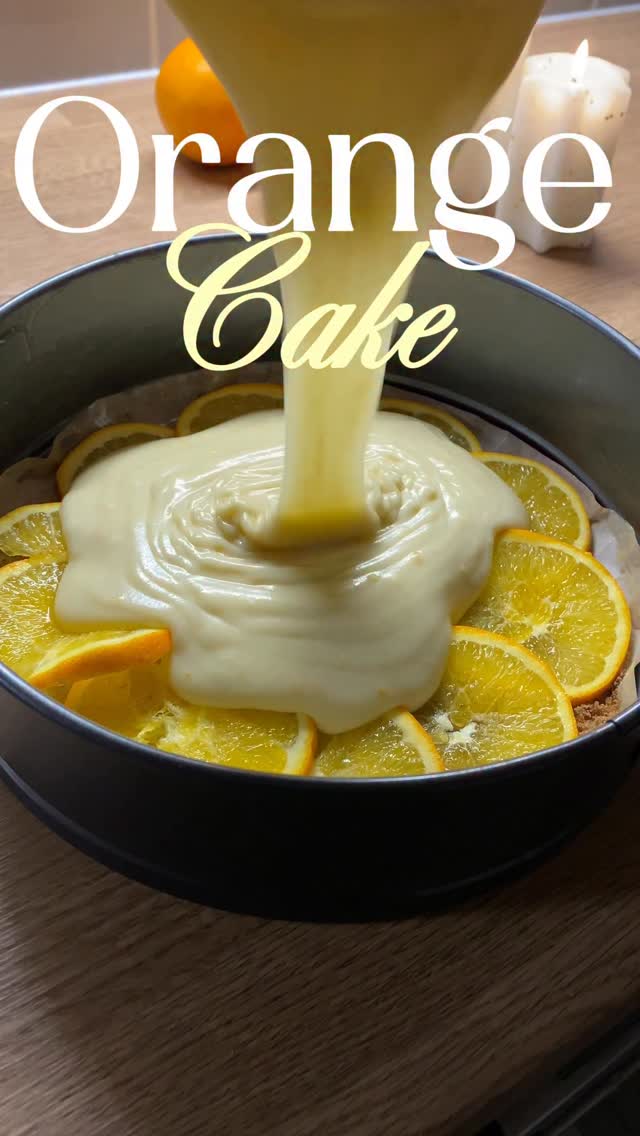
Pour the batter over the caramelized oranges in the pan.
- 6
Bake for 30-35 minutes or until a toothpick comes out clean.
- 7
Let cool before inverting onto a plate.
💡 Pro Tips
- ✓Caramelize the orange slices at 320-340°F (medium heat) until they reach 240°F internal temperature - this creates proper Maillard reactions while preventing the citrus acids from breaking down the caramel structure.technique320-340°F pan temp, 240°F internal
- ✓Slice oranges to exactly 1/4-inch thickness because thinner slices release too much moisture (causing soggy cake bottom) while thicker slices won't caramelize evenly and create air pockets.ingredient1/4-inch thickness
- ✓Cool the cake for exactly 10 minutes before inverting - shorter time leaves the caramel too liquid to set properly, longer time causes it to harden and stick to the pan permanently.timing10 minutes
- ✓Cream butter and sugar for 4-5 minutes until volume increases by 50% and mixture becomes pale - this incorporates air cells that create the cake's light structure when baking powder activates.technique4-5 minutes, 50% volume increase
- ✓Use a dark metal cake pan instead of glass because it conducts heat 25% more efficiently, ensuring the bottom caramelizes properly while preventing the top from overbaking.equipment25% more heat conduction
Share this recipe
Prep
15
min
Cook
35
min
Serves
8
people
Level
intermediate
Share this recipe
French pâtissiers flip cakes upside-down because caramelized fruit creates steam that keeps the bottom perfectly moist while baking.
Upside-Down Orange Cake
Indulge in a slice of sunshine with our Upside-Down Orange Cake, where juicy, caramelized oranges create a luscious base beneath a fluffy, zesty sponge. This delightful treat is perfect for cozy winter afternoons, bringing a burst of citrus joy to your dessert table. Whip it up with simple ingredients and a touch of love—it's guaranteed to brighten your day!
The Story
This topsy-turvy masterpiece traces back to 1925 Hawaii when pineapple plantation workers invented the upside-down pineapple cake—French settlers in Algeria then swapped pineapples for their abundant bitter oranges, creating this Maghreb-meets-Pacific stunner that proves sometimes the best ideas come from flipping convention completely on its bloody head.
Regional Twist
In Valencia's countryside, they use blood oranges instead of regular ones and fold orange zest directly into the batter, then finish with a splash of local Moscatel wine that makes the whole thing sing.
📝 Ingredients
Shopping List
- 3 large eggs
- 1 cup (237 ml) milk
- 4 large oranges
Pantry Items
Amounts also listed in instructions below
- 2 cups (240 g) all-purpose flour
- baking powder (to taste)
- 1 cup (114 g) butter
- salt (to taste)
- 1 cup (200 g) sugar
- vanilla extract (to taste)
👨🍳 Instructions
- 1
Preheat the oven to 350°F (175°C).
- 2
Slice the oranges and caramelize them in a pan with sugar until golden.
- 3
Prepare the cake batter by creaming butter and sugar, then adding eggs, milk, and vanilla.
- 4
Mix in the flour, baking powder, and salt until smooth.
- 5
Pour the batter over the caramelized oranges in the pan.
- 6
Bake for 30-35 minutes or until a toothpick comes out clean.
- 7
Let cool before inverting onto a plate.
💡 Pro Tips
- ✓Caramelize the orange slices at 320-340°F (medium heat) until they reach 240°F internal temperature - this creates proper Maillard reactions while preventing the citrus acids from breaking down the caramel structure.technique320-340°F pan temp, 240°F internal
- ✓Slice oranges to exactly 1/4-inch thickness because thinner slices release too much moisture (causing soggy cake bottom) while thicker slices won't caramelize evenly and create air pockets.ingredient1/4-inch thickness
- ✓Cool the cake for exactly 10 minutes before inverting - shorter time leaves the caramel too liquid to set properly, longer time causes it to harden and stick to the pan permanently.timing10 minutes
- ✓Cream butter and sugar for 4-5 minutes until volume increases by 50% and mixture becomes pale - this incorporates air cells that create the cake's light structure when baking powder activates.technique4-5 minutes, 50% volume increase
- ✓Use a dark metal cake pan instead of glass because it conducts heat 25% more efficiently, ensuring the bottom caramelizes properly while preventing the top from overbaking.equipment25% more heat conduction