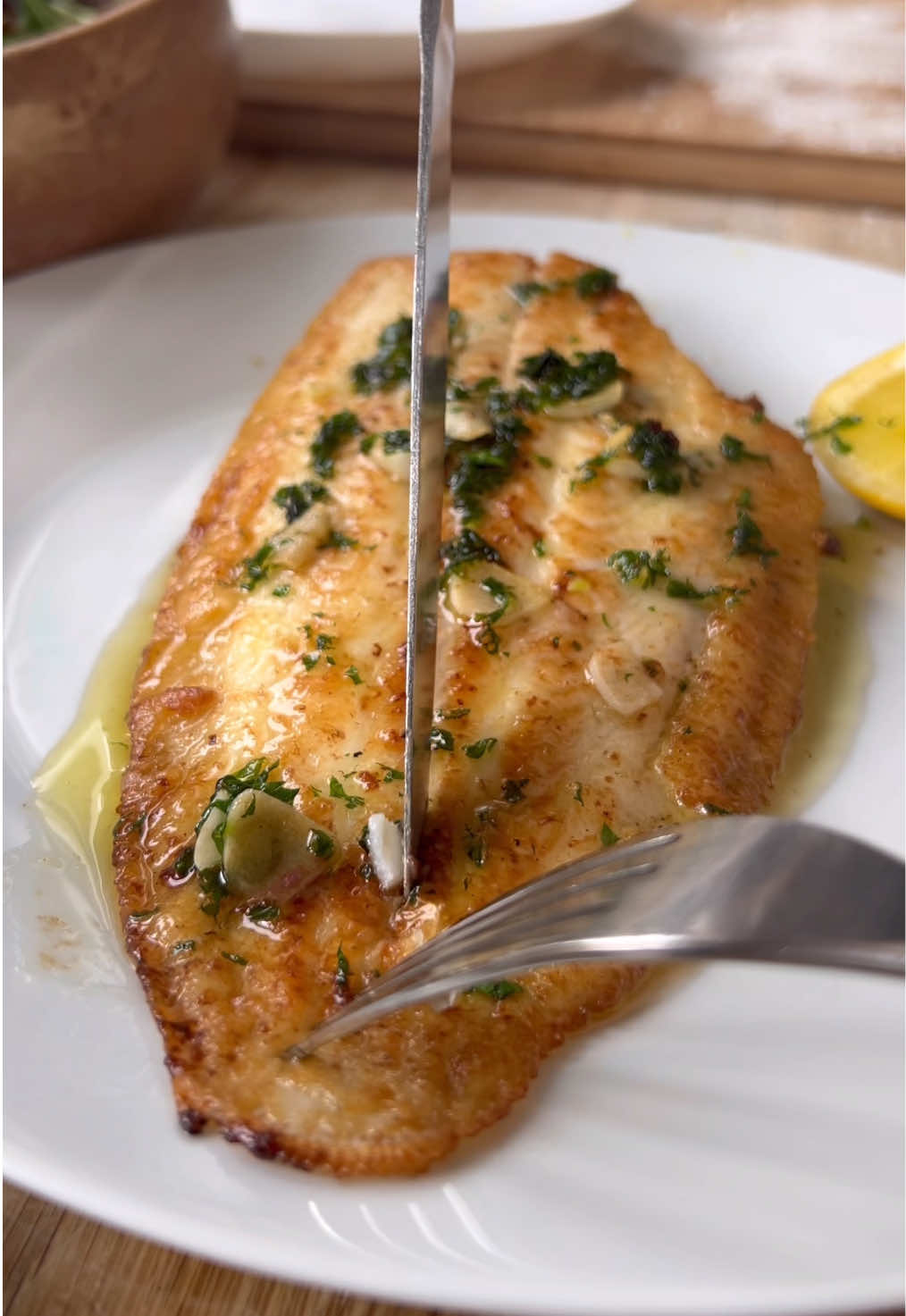
Dover sole's skin peels off in one perfect piece only when caught in 40°F English Channel waters.
Sole Meunière
Whip up a delightful dish in just 15 minutes that’s perfect for impressing your date! Savor the tender pan-seared Dover sole, kissed with a rich garlic butter sauce that adds a mouthwatering finish. With a sprinkle of fresh parsley and a squeeze of lemon, this Sole Meunière is sure to elevate your dinner experience!
Prep
0
min
Cook
15
min
Serves
2
people
Level
intermediate
The Story
This French fishing village classic got its swagger in 1950s Monaco when Auguste Escoffier's protégés started serving it to British aristocrats who demanded their Dover sole cooked 'properly'—the technique migrated from Normandy's humble fishing boats to Monte Carlo's casino tables, where Russian oligarchs and American oil barons turned a peasant's catch into the most expensive fish dish in Europe.
Regional Twist
In Brittany's Concarneau port, they swap the regular butter for salted Breton butter and add minced shallots alongside the garlic, finishing with Muscadet wine instead of plain lemon juice for proper coastal authenticity.
📝 Ingredients
Shopping List
- 2 fillets dover sole
- 2 tablespoons (30 ml) fresh parsley
- 1 whole lemon
Pantry Items
Amounts also listed in instructions below
- all-purpose flour (to taste)
- butter (to taste)
- garlic (to taste)
- olive oil (to taste)
👨🍳 Instructions
- 1
Season the whole skimmed Dover sole and dredge it in flour, shaking off any excess.
- 2
Heat olive oil in a pan over high heat and carefully place the Dover sole in the pan.
- 3
Fry for about 2-3 minutes until a lovely brown crust forms, then flip the fish.
- 4
Add butter to the pan, baste the fish in the butter, then add lemon juice and thinly sliced garlic, and baste again.
- 5
Remove the Dover sole, add parsley to the pan, mix with the butter, and drizzle over the fish.
- 6
Serve with a lemon wedge, a nice side salad, and a crisp white wine.
💡 Pro Tips
- ✓Heat your pan to 375-400°F before adding oil - sole's delicate proteins need immediate searing to prevent sticking and create proper Maillard browning without overcooking the thin fillet.technique375-400°F
- ✓Dredge sole in flour just before cooking and shake to leave only 20-30% flour coverage - excess flour creates a gummy coating that prevents proper crust formation and absorbs too much fat.technique20-30% coverage
- ✓Add butter only after flipping the fish because butter's milk solids burn at 300°F while olive oil remains stable to 410°F - this prevents bitter, burnt flavors in your beurre noisette.timing300°F burn point
- ✓Cook sole for exactly 90 seconds per side for 1/2-inch thick fillets - the fish reaches 145°F internal temperature rapidly due to its low collagen content and will become rubbery if overcooked.timing90 seconds per side
- ✓Add lemon juice off-heat after basting to preserve vitamin C and prevent the butter from breaking - acid causes butter emulsion to split at temperatures above 160°F.technique160°F split point
Share this recipe
Prep
0
min
Cook
15
min
Serves
2
people
Level
intermediate
Share this recipe
Dover sole's skin peels off in one perfect piece only when caught in 40°F English Channel waters.
Sole Meunière
Whip up a delightful dish in just 15 minutes that’s perfect for impressing your date! Savor the tender pan-seared Dover sole, kissed with a rich garlic butter sauce that adds a mouthwatering finish. With a sprinkle of fresh parsley and a squeeze of lemon, this Sole Meunière is sure to elevate your dinner experience!
The Story
This French fishing village classic got its swagger in 1950s Monaco when Auguste Escoffier's protégés started serving it to British aristocrats who demanded their Dover sole cooked 'properly'—the technique migrated from Normandy's humble fishing boats to Monte Carlo's casino tables, where Russian oligarchs and American oil barons turned a peasant's catch into the most expensive fish dish in Europe.
Regional Twist
In Brittany's Concarneau port, they swap the regular butter for salted Breton butter and add minced shallots alongside the garlic, finishing with Muscadet wine instead of plain lemon juice for proper coastal authenticity.
📝 Ingredients
Shopping List
- 2 fillets dover sole
- 2 tablespoons (30 ml) fresh parsley
- 1 whole lemon
Pantry Items
Amounts also listed in instructions below
- all-purpose flour (to taste)
- butter (to taste)
- garlic (to taste)
- olive oil (to taste)
👨🍳 Instructions
- 1
Season the whole skimmed Dover sole and dredge it in flour, shaking off any excess.
- 2
Heat olive oil in a pan over high heat and carefully place the Dover sole in the pan.
- 3
Fry for about 2-3 minutes until a lovely brown crust forms, then flip the fish.
- 4
Add butter to the pan, baste the fish in the butter, then add lemon juice and thinly sliced garlic, and baste again.
- 5
Remove the Dover sole, add parsley to the pan, mix with the butter, and drizzle over the fish.
- 6
Serve with a lemon wedge, a nice side salad, and a crisp white wine.
💡 Pro Tips
- ✓Heat your pan to 375-400°F before adding oil - sole's delicate proteins need immediate searing to prevent sticking and create proper Maillard browning without overcooking the thin fillet.technique375-400°F
- ✓Dredge sole in flour just before cooking and shake to leave only 20-30% flour coverage - excess flour creates a gummy coating that prevents proper crust formation and absorbs too much fat.technique20-30% coverage
- ✓Add butter only after flipping the fish because butter's milk solids burn at 300°F while olive oil remains stable to 410°F - this prevents bitter, burnt flavors in your beurre noisette.timing300°F burn point
- ✓Cook sole for exactly 90 seconds per side for 1/2-inch thick fillets - the fish reaches 145°F internal temperature rapidly due to its low collagen content and will become rubbery if overcooked.timing90 seconds per side
- ✓Add lemon juice off-heat after basting to preserve vitamin C and prevent the butter from breaking - acid causes butter emulsion to split at temperatures above 160°F.technique160°F split point